Categories
Eco-Friendly

Finding a Carpet That’s Eco-Friendly and Safe For Your Family

Please read the following post for important information on how I’ve chosen my recommendations:

TLDR: North Americans spend 80-90% of their time indoors and when a house is carpeted, you’re inhaling a lot of VOCs, which aren’t healthy and can cause short-term issues like dizziness and long-term issues, too.

Why you should care: Carpets trap dust, bacteria, mold and VOCs. New carpets give off VOCs. Old carpets trap VOCs and other chemicals and then let back out in a never-ending cycle. Walking and playing on the carpet can also release chemicals. You, your kids, your pets, your visitors—they’re all impacted.

What you should buy: Don’t buy carpet. Buy area rugs https://organicweaveshop.com/collections/organic-cotton-rugs and rug pads https://www.thegreendesigncenter.com/product/earth-weave-nature-loc-non-slip-rug-pad/ * 

Many carpets, especially synthetic ones, contain adhesives, dyes, and backings that can off-gas VOCs like formaldehyde, benzene and toluene. https://www.lung.org/clean-air/indoor-air/indoor-air-pollutants/carpets 

Floors, walls, and ceilings in buildings can affect air quality by releasing or absorbing chemicals called volatile organic compounds (VOCs). Carpets are known to have the highest ability to absorb and release chemicals compared to other indoor materials. People can be exposed to VOCs by breathing in the air, touching materials like floors that give off these chemicals, or accidentally swallowing dust from the floor. When dust settles on the floor, it can get kicked up again into the air, which can change the amount of VOCs indoors. This is especially true for certain chemicals that are not easily visible or noticeable. 

VOCs released from carpets can be divided into two types: primary and secondary emissions. Primary emissions come from VOCs that are not stuck to the carpet, like chemicals used in making the carpet or in the manufacturing process. Secondary emissions come from VOCs that are attached to the carpet and are released later, through things like wear and tear or chemical reactions. Sometimes it’s hard to tell the difference between these two types because the VOCs can move back and forth between being stuck to the carpet and being released into the air. The carpet can also absorb chemicals from the environment and then release them back into the air later.

Photo of adorable black and white dog on a brown rug

Primary VOCs usually stop being released after about a year, but secondary VOCs can continue to be released for a much longer time, sometimes as long as the carpet is there. The way VOCs move between the carpet and the air depends on the balance of chemicals, so they can easily shift between being stuck to the carpet and floating in the air. This is important to understand because it helps explain how VOCs affect the air in our homes.

VOC emissions increase when indoor temperatures rise and when indoor humidity increases. https://www.sciencedirect.com/science/article/pii/S0304389421007913 

Newer carpets tend to release more secondary emissions than older ones. One study found that improving ventilation could actually increase secondary emissions, particularly from materials that react easily to air changes. https://www.mdpi.com/2076-3417/12/24/12989 

https://pmc.ncbi.nlm.nih.gov/articles/PMC5858259

Ceramic, porcelain, and natural stone tiles themselves do not emit VOCs. Some grouts, sealants, and adhesives used in tile installation may contain VOCs, but low-VOC and no-VOC options are available. Unlike carpet, tile does not trap VOCs from other household products, making it better for air quality.

If you HAVE to buy a carpet, look for Green Label Plus-certified carpets, which have lower VOC emissions. Air filters, dehumidifiers, thorough and frequent cleaning and lower room temperatures can help reduce VOC exposure.

CLEANING: Area rugs must be cleaned regularly, front and back and washed at least once a year. 

NOTE: The rug pad I chose doesn’t have the GOTS/OEKO-TEX certifications. I had a really hard time finding anything that was remotely affordable. I emailed the founder of Earth Weave and they replied: “This non-toxic rug pad provides both cushion and grip to your area rug without the hazardous chemicals found in most carpet pads. Made with 100% untreated natural wool on the top layer and natural rubber backing for non-slip. These pads contain no synthetic rubber, SBR (Styrene-Butadiene Rubber), or other harmful chemicals. They are safe for everyone including those with chemical sensitivities. Sustainable and completely bio-degradable.

  • All-natural — made with 100% wool and 100% natural rubber
  • Non-toxic — zero VOC, ultra-low odor, no formaldehyde, insect repellents, mildewcides, fungicides, toxic dyes or PBDEs (flame retardants)
  • Safe — for everyone, including the chemically sensitive (based on personal tolerance)
  • Eco-friendly — completely renewable resources and 100% biodegradable

*I did not buy my top choice and the one I recommend to you—an Organic Weave Shop rug made of 100% cotton. It was too pricey for me. I got the rugs in my house from Hook & Loom. They’re made from recycled fabric, which means it’s likely that the VOCs have already done their initial off-gassing and most of the icky chemicals have washed out. However, OWS is still a much better buy if you can afford it!

More:
https://www.calhealthreport.org/2018/12/13/carpets-cited-health-hazard-especially-children-poor-communities/
https://nchh.org/resource-library/fact-sheet_carpets-and-healthy-homes.pdf
https://www.tandfonline.com/doi/abs/10.3109/10408449609037480
https://www.tandfonline.com/doi/abs/10.3109/13590849509007243
https://www.sciencedirect.com/science/article/abs/pii/S0304389407010291
https://www.thegreendesigncenter.com/product/earth-weave-nature-loc-non-slip-rug-pad/
https://theroundup.org/non-toxic-rug-pads-organic-eco-friendly/
https://theroundup.org/is-felt-biodegradable-and-eco-friendly/
https://www.rugaroundtheclock.com/non-toxic-rug-pads/https://citizensustainable.com/rubber-sustainable/https://healthyhouseontheblock.com/natural-rug-and-organic-rug-pads/
https://hookandloom.com/all-rugs/
https://nestig.zendesk.com/hc/en-us/articles/15625004157463-What-materials-are-the-area-rugs-made-from
https://www.tiscarugs.com/en/cleaning-instructions/
https://willabyshop.com/collections/rugs
https://organicweaveshop.com/collections/organic-cotton-rugs

Image Credit: cover image, Brady Bellini/ in-post image, Lara Albuquerque

Categories
Eco-Friendly

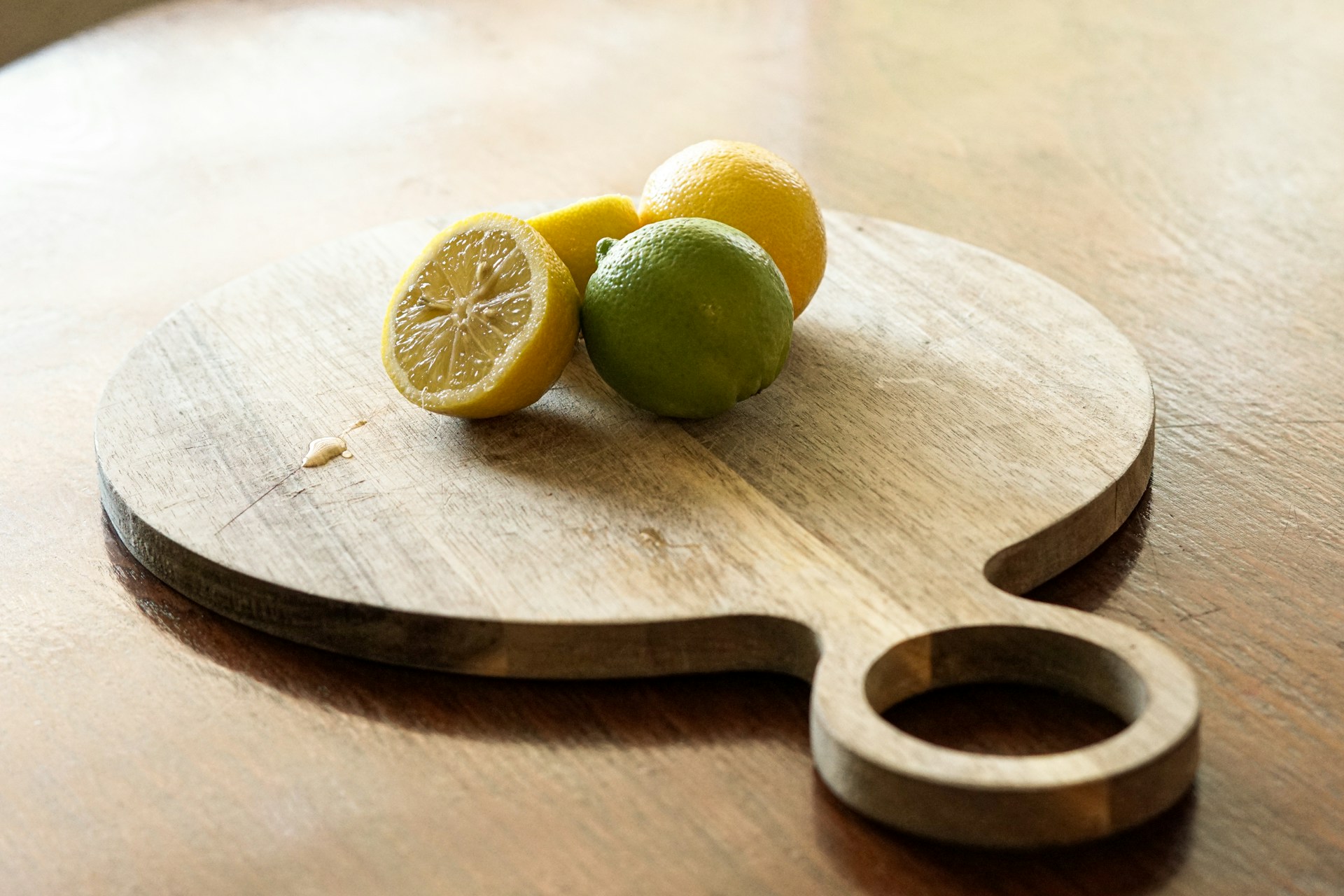
Buying a Sustainable, Healthy, Antibacterial Cutting Board

Please read the following post for important information on how I’ve chosen my recommendations:

TLDR: Buying the right cutting board will cut down on your risk of food-borne illnesses.

Why you should care: “In the United States, billions of dollars are spent directly on medical expenses from foodborne diseases and billions more are lost due to decreases in employee productivity. Cutting boards could serve as sources of contamination by allowing pathogens to survive and multiply, especially if remnants of raw meat or poultry remain on the surface after food preparation” https://www.sciencedirect.com/science/article/abs/pii/S0260877412000040 

What you should buy: https://www.johnboos.com/products/maple-bbq-cutting-board-with-juice-groove-professional-collection (Not all John Boos cutting boards are NSF certified so check before you order. The board comes with two coats of mineral oil so just wash that off. Also don’t worry about rubbing it with a rough sponge. More scratches actually helps reduce the bacteria on wood!)

OK, cutting boards are SUPER interesting, and there’s a lot of contradictory information floating around out there. I went directly to the scientific studies to find the best one for your health.

This study suggests that you should get an iron cutting board. https://ojs.library.ubc.ca/index.php/expedition/article/view/199721 I would go a step further and say you should get a copper cutting board. https://pmc.ncbi.nlm.nih.gov/articles/PMC3067274/ But neither of those are readily available or affordable or even necessary. 

Most people use either a stainless steel or wood cutting board. Plastic cutting boards aren’t recommended because they add microplastics to your food, which is bad for your health. https://www.foodandwine.com/are-plastic-cutting-boards-safe-8624857 

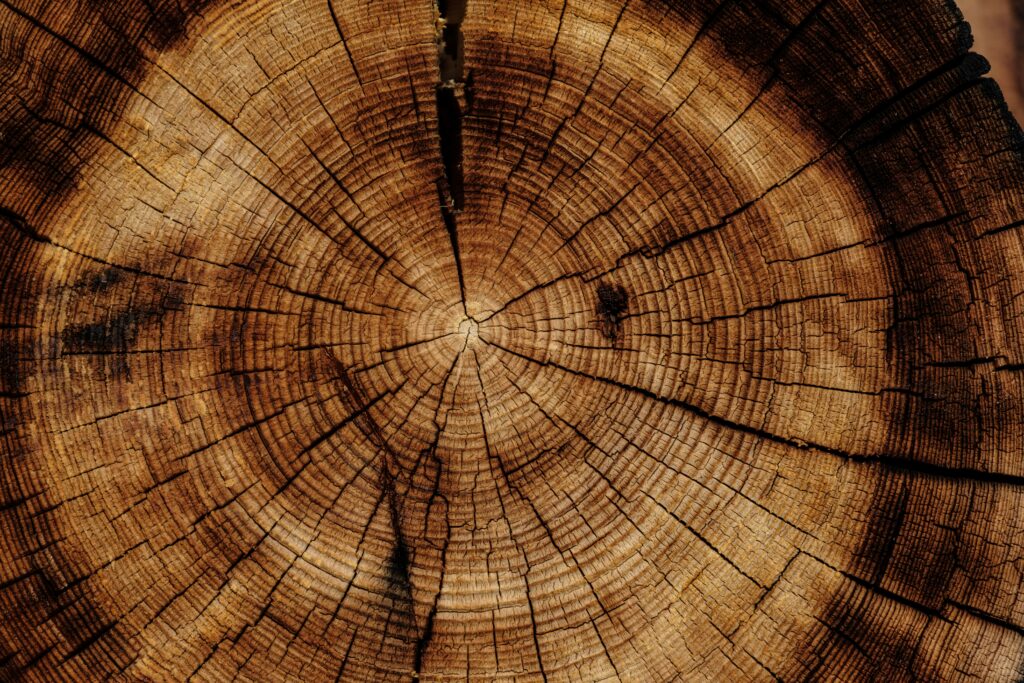
Close-up of tree rings

For an extra layer of caution, you want a solid wood cutting board that does NOT have a coating and does NOT use glue but DOES have a deep juice trench. That’s because wood is pretty awesome at killing a lot of bacteria. Wood is porous so when you get wet bacteria on it, it tries to create an equilibrium. That means it draws the water into its grain and the bacteria inside it dies. https://ift.onlinelibrary.wiley.com/doi/10.1111/1541-4337.12199 If you have a coating, all that water just stays on top and the bacteria won’t die. This study shows that European beech had one of the lowest levels of bacteria overall https://www.mdpi.com/2079-6412/13/4/752 In one study, the bacteria Campylobacter (which causes diarrhea) survived for only 3 hours, whereas it lasted longer on stainless steel and plastic. https://www.mdpi.com/2304-8158/12/17/3245 

So what does this mean? Should I buy a wood cutting board? Does it need to be beech? Not necessarily. It depends on the type of bacteria you’re worried about. https://link.springer.com/article/10.1007/s00003-015-0949-5 

Overall, wood is probably better if you want to be extra cautious. But thoroughly washing your cutting board (no matter what it’s made of) with soap and hot water is really the best way to get rid of most bacteria. https://www.sciencedirect.com/science/article/abs/pii/S0956713523000786 This suggests that you should have a separate cutting board solely for cutting meat and another cutting board for stuff that’s not going to be thoroughly cooked. https://www.mdpi.com/2304-8158/12/17/3245

It’s also good to get a cutting board with a deep juice trench to keep icky bacteria from leaking onto the counter.

So the stainless steel vs wood debate doesn’t matter too much. Let’s look at sustainability. My pick is NSF certified. I also liked this cutting board because it’s black walnut, which is pretty sustainable, but it doesn’t have a NSF certification: https://fromourplace.com/products/walnut-cutting-board 

Some cutting boards are made of bamboo. Isn’t that more sustainable? It might be, depending on where it’s made and if forests were clear cut to grow the bamboo. Unfortunately, I can’t recommend bamboo overall because there aren’t enough studies that look at the bacteria levels on cutting boards made from the material. 

Additional Reading:
https://www.sciencedirect.com/science/article/abs/pii/S0260877412000040
https://www.mychemicalfreehouse.net/2024/01/only-these-three-cutting-boards-are-truly-non-toxic.html
https://www.zwilling.com/us/zwilling-cutting-boards-21-inch-x-16-inch-cutting-board-beechwood–35118-100/35118-100-0.htm
https://www.sciencedirect.com/science/article/abs/pii/S0956713522001657
https://www.carawayhome.com/products/cutting-board-set
https://www.costco.com/teakhaus-extra-large-cutting-board.product.4000284129.html
https://theboardsmith.com
https://thegoodnesswell.com/the-best-non-toxic-cutting-boards/ https://sustainablykindliving.com/non-toxic-cutting-boards/
https://theroundup.org/non-toxic-cutting-boards/
https://themindfulfork.com/eco-friendly-cutting-boards/

Photo Credit: featured image, Thomas Park/in-line photo Joel & Jasmin Førestbird


Categories
Eco-Friendly

Switch to Sustainable Utensils

Please read the following post for important information on how I’ve chosen my recommendations:

TLDR: Heated up plastic releases icky stuff. Get silicone. It’s not an expensive switch. Buy them once and use them forever. Let the kiddos play in the dirt with your old plastic tools. 

Why you should care: Remember when you were younger (or, OK, a few weeks ago) and you left the spatula on the pan after flipping pancakes only to find it partially melted when you came back? Yeah, that’s not healthy for you.

What you should buy: https://www.foodandwine.com/lifestyle/kitchen/silicone-kitchen-tools 

https://www.newsweek.com/dangers-plastic-cooking-utensils-harmful-chemicals-doctor-warning-1970814

Note that silicone is energy intensive to make. But if you use them for ages then it’s an eco-friendly investment.

Photo Credit: Sincerely Media

Categories
Eco-Friendly

Dishes That Can Go in the Microwave, Dishwasher, Kid-Friendly and Won’t Leach PFAS

Please read the following post for important information on how I’ve chosen my recommendations:

TLDR: It’s time to repurpose your plastic plates and bowls. Switching to a safer option is easy and relatively cheap.

Why you should care: This is mostly an issue of microplastics, which are a big problem for the environment and, as recent studies show, your health. 

What you should buy: https://www.target.com/b/corelle/-/N-5y2i5 

OK, so somehow I did like four hours of research on this and can’t find the doc I saved it in. Typical. Luckily, this link pretty much sums it up and doesn’t get into all the studies and rabbit holes I went down. https://thegoodlifedesigns.com/safest-dishes-to-use/ 

Primarily, I wanted something safe. Something that wasn’t going to leach chemicals and that I could put in the microwave or oven. (I always tell myself that I wouldn’t microwave plastic and then find myself doing it late at night when I’m too tired to care.) I also have a clumsy streak and need stuff that wasn’t going to break easily. If you have kids, this is doubly true for you. Corelle ticks all those boxes.

I didn’t look into the sustainability of this option. Mostly because I have a set of corelle dishes I bought 15 years ago and they’re still going strong. So I figure this purchase of bowls will last me a long, long time.

Photo Credit: Raúl Cacho Oses

Categories
Eco-Friendly

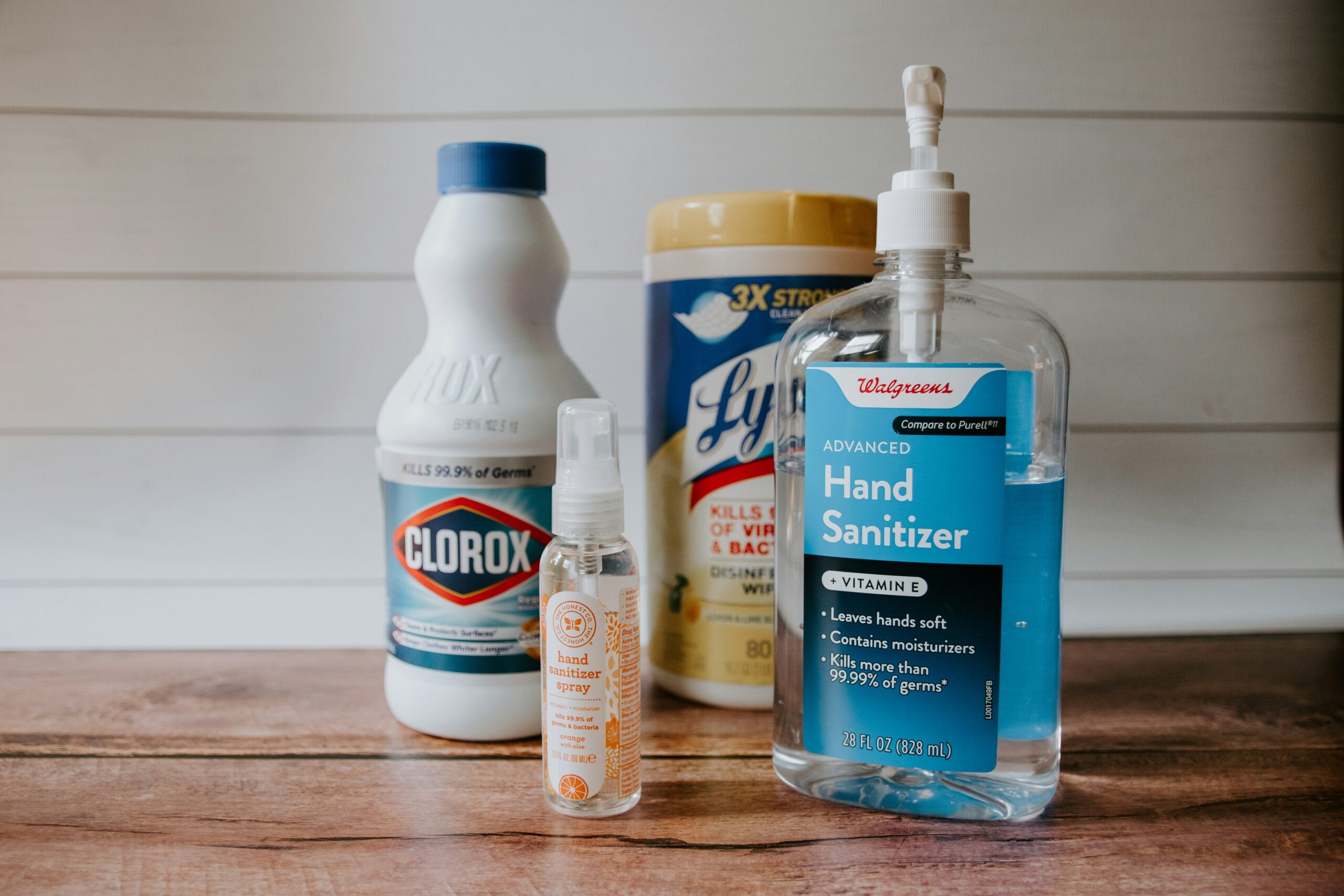
Bleach is Bad for You and the Environment

Please read the following post for important information on how I’ve chosen my recommendations:

TLDR: Bleach is bad for you and the environment. Only use it if someone is sick with a SPECIFIC illness, and you need to kill SPECIFIC* harmful germs. (For example, you don’t need bleach to kill COVID. https://www.nationalgeographic.com/science/article/why-soap-preferable-bleach-fight-against-coronavirus)

Why you should care: Y’all, I read the studies, and there are SO many ways that bleach gets into our household environment and causes problems. It’s mind-blogging!

What you should buy: You don’t need bleach. Seriously. https://www.maids.com/blog/how-to-sanitize-laundry-without-bleach/ 

Y’all, I have been using bleach in my white loads for AGES. I guess I knew it was bad but didn’t really think about it practically. 

Bleach does lots of stuff. It means you can save energy because you don’t have to wash your clothes with hot water to kill microbes. It gets rid of stains and makes your clothes look whiter/brighter. 

Fun fact, bleach makes stuff look white because it binds with your fabric and collects and gives off light. So when you look at the fabric, it gives you the impression that it’s whiter or brighter. OMG! https://www.mdpi.com/2071-1050/16/20/9084 However, a key part of this is that it STAYS on your fabric and can get trapped there for more than a year. That’s not a good thing to have rubbing against your skin.

So do we really need bleach? Not really. Only for killing certain bacteria.

Using bleach is like hiring a giant bar bouncer. It’s great if you actually need muscle. But most bacteria aren’t in the big leagues, and you don’t need a bouncer to break up a scuffle on the kindergarten playground. 

NYC Police officer walking in the shade of a building

Most bacteria gets killed by your washing machine’s regular detergent and a spin in the dryer. However, there are some cases like rotavirus (diarrhea and vomiting), which needs hot water over 60 °C, detergent AND you can use bleach sanitizer. 

NOTE: Wash your hands immediately after doing laundry and don’t touch your face. Store dirty clothes in a dry place, which will discourage bacterial growth. Remember that bleach only lasts for three months. https://academic.oup.com/jambio/article/132/2/1435/6716105

Bleach tends to cause a lot more problems for the average homeowner than it solves. It gets into rivers and hurts aquatic life. It messes with our public water system. It reacts with a whole bunch of different chemicals we have in our air and furniture to create nasty stuff that gets into our body through skin or breathing or eating.

Seriously, it creates a LOT of chemicals that stay in our house for years and can cause health problems. Even the EPA has this fact sheet: https://www.epa.gov/sites/default/files/2013-08/documents/factsheet_whatstheproblemwithbleach.pdf 

Still want to keep your whites white? Use this instead: https://zerowastefamily.com/what-we-use-instead-of-bleach 

*One of those very specific bacteria is norovirus. That’s a time where you actually do need to go to the store and get some bleach. https://www.youtube.com/watch?v=TAkH4jakLYA 

Additional Reading:
https://www.sciencedirect.com/science/article/abs/pii/S0045653512013410
https://www.greenplanetscientific.com/greenplanet-scientific-blog/the-dangers-of-bleach-and-why-it-is-toxic.aspx
https://www.vdh.virginia.gov/environmental-health/public-health-toxicology/bleach/
https://record.umich.edu/articles/clean-results-u-m-researchers-learn-how-bleach-kills-bacteria/
https://www.bobvila.com/articles/disinfecting-with-bleach/
https://www.ncbi.nlm.nih.gov/books/NBK441921/
https://www.degruyter.com/document/doi/10.3139/113.110464/html
https://academic.oup.com/jambio/article-abstract/122/5/1124/6714322

Photo Credit: featured image, Kelly Sikkema/in-post photo, Jack Finnigan

Categories
Eco-Friendly

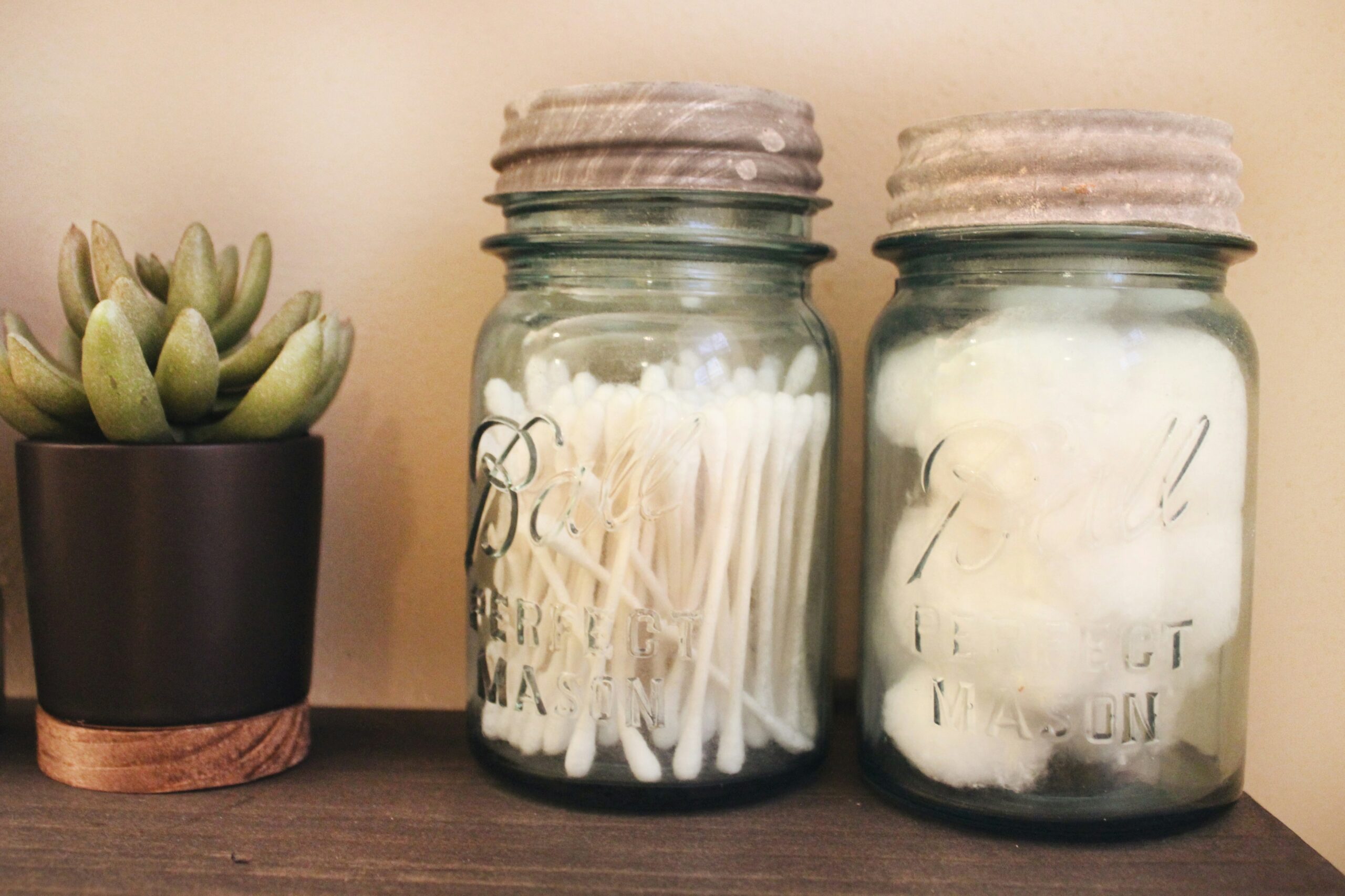
Save Seahorses, Buy Sustainable Q-Tips

Please read the following post for important information on how I’ve chosen my recommendations:

TLDR: “Choosing a reusable cotton q-tip is an eco-friendly option that can reduce your environmental footprint, as well as your spending.” https://ecofriendlyhacks.com/reusable-q-tips/index.html 

Why you should care: This photo will tell you everything you need to know https://www.nationalgeographic.com/photography/article/seahorse-ocean-pollution

What you should buy: https://www.walmart.com/ip/8-Count-Reusable-Silicone-Q-Tip-Cotton-Swabs-Portable-Swab-Ear-Cleaning-Makeup-Women-2-In-1-Set-Case-Cosmetic-Mirrors-2-Pack-Green-Grey/6617918475

“Single-use Q tips contribute to the global plastic waste crisis. An estimated 1.5 billion cotton swabs are produced every day in the world and the average person throws away approximately 415 of them each year, according to a report by market intelligence company Acute Market Reports. These products are frequently found in landfills and oceans, polluting the environment and posing a threat to marine life. By opting for reusable Q tips, individuals can play a part in minimizing their ecological footprint.” https://ecofriendlyhacks.com/reusable-q-tips/index.html 

Don’t use a Q-tip for cleaning your ears: https://www.verywellhealth.com/the-dangers-of-q-tips-1048870 If you’re going to use it to clean your ears, buy this: https://www.amazon.com/Handmade-Removal-Cleaning-Cleaner-Keychain/dp/B07PTPX4GZ I like brass because it contains copper, which has antimicrobial properties! https://pmc.ncbi.nlm.nih.gov/articles/PMC3067274/ 

It sucks that my pick is a Walmart buy. But I honestly couldn’t find what I wanted elsewhere except Amazon, and I tried! UPDATE: I’ve had this for months, and it’s working really well!

This is another option: https://lastobject.com/products/lastswab?Color=Turquoise I don’t like that it’s made of “durable materials,” which tells me absolutely nothing about what it’s actually made of. I also think the plastic carrying case is completely unnecessary. 

Some Q-tips say they’re compostable/biodegradable. I’m extremely skeptical of this. I’ve tried composting those Q-tips and three years later they haven’t decomposed one bit!

But, if you HAVE to buy regular Q-tips, I’d recommend these from The Humble Co. https://earthhero.com/products/the-humble-co-biodegradable-cotton-swabs-100pk “These organic cotton swabs with bamboo sticks go a step further than traditional eco-friendly cotton swabs by using only sustainably sourced, and “panda-friendly” bamboo, and packaging everything in a recycled paper box.” https://zerowastememoirs.com/zero-waste-eco-friendly-q-tips/ 

There are other brands out there like https://zerowasteoutlet.com/products/biodegradable-swabs-bamboo-cotton?sscid=11k9_83q7v& but they don’t have the sustainability that The Humble Co does. I emailed and asked! https://www.reddit.com/r/ZeroWaste/comments/gf5q2l/has_anyone_tried_those_silicon_qtips_and_if_so_do

Additional Reading:
https://www.reddit.com/r/whatisthisthing/comments/39fj3w/ive_used_this_thing_as_an_ear_cleaner_for_the
https://lochtree.com/blogs/blog/what-you-need-to-know-about-reusable-q-tips https://citizensustainable.com/q-tips/#google_vignette 
https://www.amazon.com/Pampoo-Case%E4%B8%A8Reusable-Packaging%E4%B8%A8Strengthen-Stick%E4%B8%A8Eco-Sustainable/dp/B08NCP6CLR/#customerReviews
https://www.amazon.com/BOETECO-Reusable-Makeup-Silicone-Cotton/dp/B082YLNPGK
https://www.amazon.com/Upgraded-Reusable-Portable-Silicone-Beauty-Black/dp/B085737GM8/
https://www.thehealthy.com/ear-nose-throat/reusable-q-tips/
https://www.reddit.com/r/ZeroWaste/comments/gf5q2l/has_anyone_tried_those_silicon_qtips_and_if_so_do/
https://www.nytimes.com/2021/06/22/magazine/ear-wax-removal-ear-pick.html https://www.greenmatters.com/p/zero-waste-q-tips-reusable

Photo Credit: Jen Theodore

Categories
Eco-Friendly

Laundry Detergent is a Scam—Get This Healthy, Eco-Friendly Laundry Detergent Instead

Please read the following post for important information on how I’ve chosen my recommendations:

TLDR: Regular laundry detergent has components that are harmful to the environment and to your skin. Plus, there’s a ton of icky byproducts and you’re mostly paying for water, which is a waste of money.

Why you should care: These are getting harder to write. I feel like you should just care because your body and the environment are important! But check out the reasons below…

What you should buy: https://www.shopetee.com/products/concentrated-laundry-detergent 

I really liked this Consumer Reports roundup of eco-friendly detergents, but they didn’t really look at sustainability. It was mostly health related. Still good to know: https://www.consumerreports.org/appliances/laundry-detergents/how-to-find-an-eco-friendly-laundry-detergent-a8349611828/ 

This is a good roundup of what I’ve found to be the environmental impact of regular detergents. It’s more succinct than I could make it: https://www.greenmatters.com/p/detergent-environmental-effects

“Non-concentrated liquid laundry detergents contain 60 to 90 percent water, and a concentrated one could have 15 to 50 percent water, according to He.” https://www.azcentral.com/story/money/business/2014/05/13/purex-laundry-detergent-cut-water-content-percent/9049081

“A horrifying 1 billion laundry jugs are discarded in the United States annually.” https://www.treehugger.com/ditch-laundry-jugs-and-go-plastic-free-4858737 

For the most environmentally friendly load, wash in cold water! https://www.nationalgeographic.com/environment/article/partner-content-laundry-lightening-the-load 

I’ve also used laundry detergent sheets from different brands, which come in compostable bags. I think that’s great, but I tried composting the bags for two years and they didn’t break down even a little. Most packaging that says it’s biodegradable is actually only biodegradable in professional facilities. But this is the packaging that Etee uses, and I’m impressed because it looks like a solid choice: https://tekpaksolutions.com/

Additional Info:
https://apnews.com/article/climate-solutions-greenwashing-laundry-detergent-plastic-7c91d2981783d9c9e0b6e5b62caded9e
https://www.forbes.com/sites/jeffkart/2021/08/08/study-says-up-to-75-of-plastics-from-detergent-pods-enter-the-environment-industry-says-they-safely-biodegrade
https://www.bbc.com/news/business-45711230
https://www.msn.com/en-us/lifestyle/cleaning-and-organizing/using-too-much-laundry-detergent-causes-more-problems-than-you-think/ar-AA1wD2DV https://www.rd.com/article/laundry-pods-bad-environment/

Photo Credit: Averie Woodard

Categories
Eco-Friendly

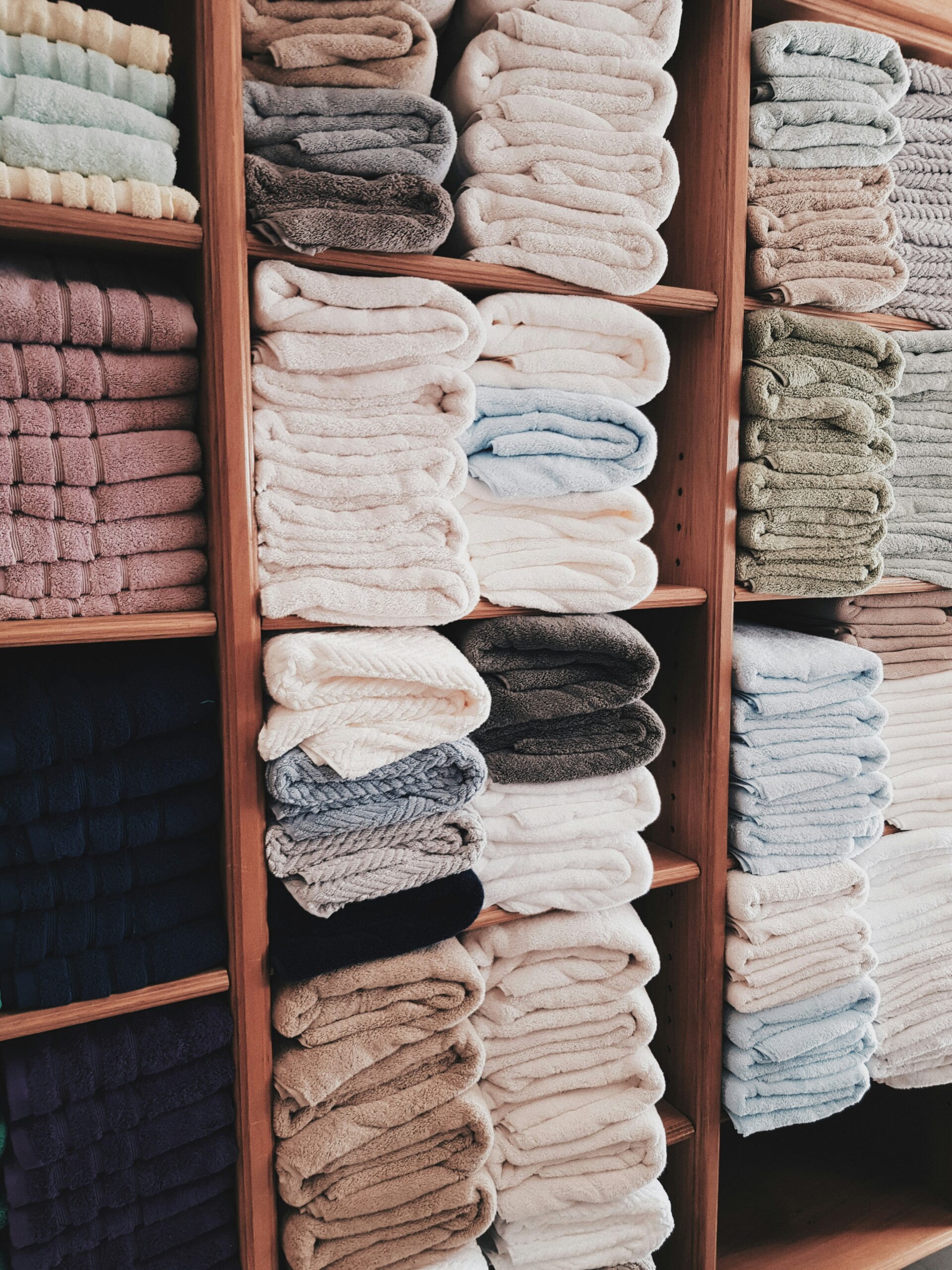
How Our Towels Pollute the Ocean and Our Bodies

Please read the following post for important information on how I’ve chosen my recommendations:

TLDR: It’s better to invest in sustainable bath towels for your own health and the health of the planet.

Why you should care: “Towels marketed as ‘ultra absorbent’ often shed microfiber plastics when washed and dried.” https://www.leafscore.com/eco-friendly-bath-products/best-eco-friendly-towels/ Microfiber plastics pollute our soil and water. Plus, we rub these towels all over our bodies so they should be made of stuff that’s safe for our skin.

What you should buy: https://www.the-citizenry.com/products/mara-organic-waffle-towel-set?v=44255203918011 

These towels are effing expensive! I got them on sale at Christmas.

The following link is actually a great primer on towel materials and it’s consistent with all my reading but in a much more concise form. The only info that’s not exactly accurate is the part about some fabrics being antimicrobial. Studies don’t support that so ignore that paragraph! https://fiveadrift.com/blogs/news/7-reasons-why-you-should-be-using-eco-friendly-towels 

I liked these towels because they last a long time. They have the GOTS and Oeko-Tex certifications, which means they were made with safe and environmentally friendly practices.  

Plus, you can throw cotton towels in the washer, whereas other materials don’t fare as well in a machine.

One of the big downsides of this product is that it’s made from Turkish cotton, which means a larger carbon footprint for shipping. But since I’m only buying it once and then keeping it for many years, I’m less concerned about this issue.

Additional Reading:
https://greenwithless.com/sustainable-organic-bath-towels/https://shrinkthatfootprint.com/eco-friendly-bath-products/
https://www.thegoodtrade.com/features/organic-towels/
https://nontoxicdad.com/home/are-your-bath-towels-toxic-what-you-need-to-know
https://shrinkthatfootprint.com/eco-friendly-bath-products/

Photo Credit: pablo ramos

Categories
Eco-Friendly

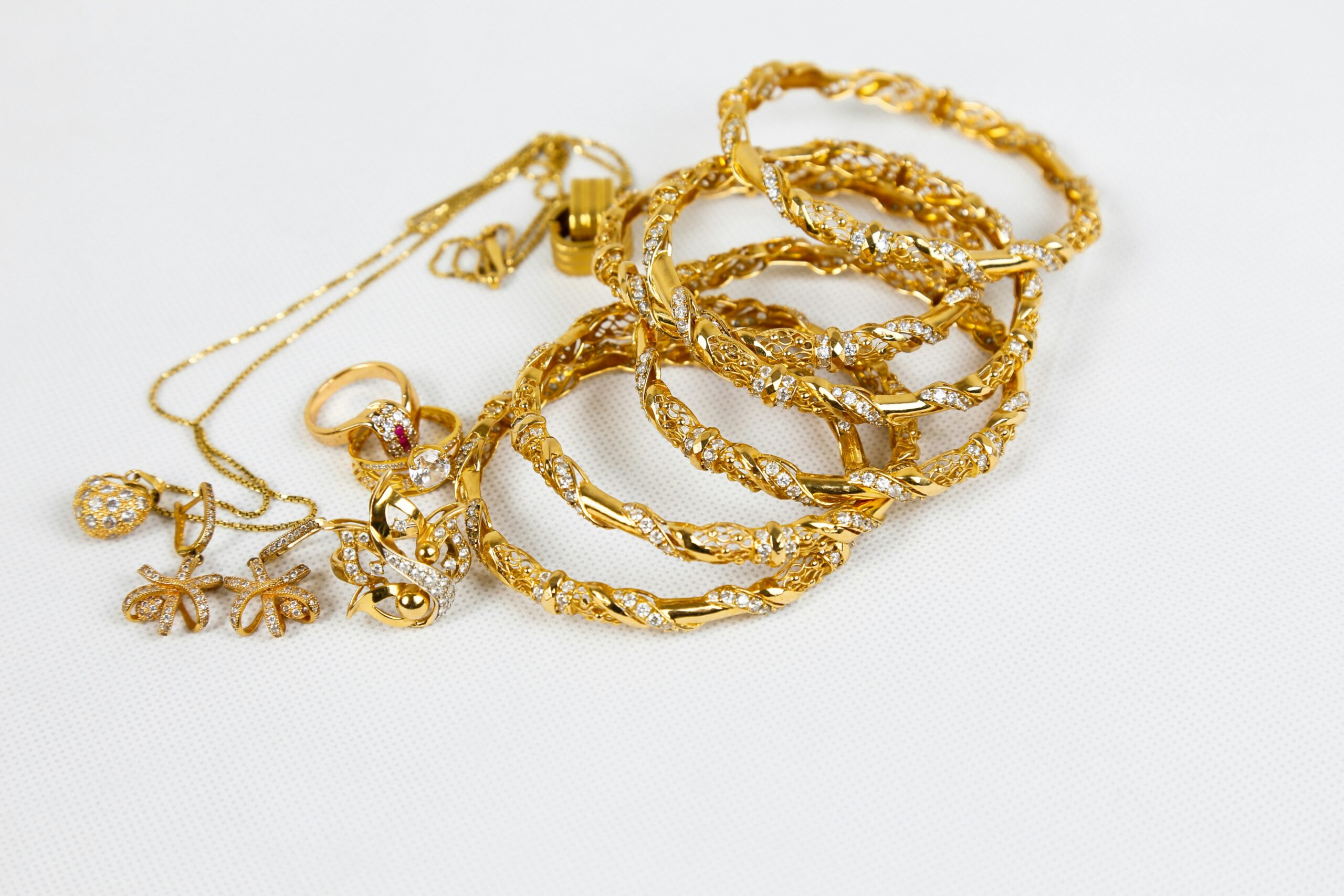
Is it Safe to Wear Gold Jewelry? Kind of…

Please read the following post for important information on how I’ve chosen my recommendations:

TLDR: It’s really hard to make stuff out of 24K gold because it’s such a soft metal. If you are very sensitive, even items that are 18k gold can cause an allergic reaction.

Why you should care: It sucks to have an allergic reaction.

What you should buy: Buy jewelry from a reputable place that has a return policy. Wear it for at least a full day. Just a reminder that nickel reactions can take up to 72 hours to appear. https://my.clevelandclinic.org/health/diseases/17842-nickel-allergy 

Did everyone know about the percentages rules of gold? I was totally in the dark. “18K gold is 18 parts pure gold and 6 parts other metals. And therefore, it is 75% gold and 25% other metals.” https://luxe.digital/lifestyle/jewelry/gold-karats-guide/ If the jeweler doesn’t tell you what those other metals are, it could contain something you’re allergic to, like nickel. About 18% of people in North America are allergic to nickel. https://www.aad.org/public/diseases/eczema/insider/nickel-allergy This would explain why my ears got swollen, even though I was wearing 18K gold earrings. Some people are just sensitive!

I haven’t done sustainability research on this one. Mostly because I rarely buy nice jewelry. Someone please get at me with your collected info!

Photo Credit: Syed F Hashemi

Categories
Eco-Friendly

Why There’s No Such Thing as Eco-Friendly or Healthy Honey/Beeswax

Please read the following post for important information on how I’ve chosen my recommendations:

TLDR: There’s no such thing as sustainable, healthy/safe-for-you honey. Buy vegan honey. It tastes the same.

Why you should care: Honestly, collecting honey on a commercial scale isn’t good for bees. Small honey purveyors don’t pasteurize their honey, which means you’re at a higher risk for illness and there’s nobody regulating their practices. BUT, not everyone cares about bees or pasteurization. So then the best reason NOT to eat honey is because most honey is polluted with nasty chemicals.

What you should buy: https://mellodyfoods.com (Mellody is my fav! But there are cheaper options: https://www.walmart.com/ip/Wholesome-Yum-Zero-Sugar-Honey-Substitute-with-Monk-Fruit-Allulose-Sugar-Free-Honey-Alternative-11-oz/) Or you can make your own: https://milkandpop.com/vegan-honey-made-with-apples-and-chamomile/#ingredients (It really does taste just like honey!)

I eat a lot of honey—and I mean a LOT. It’s one of my guilty pleasures. I love it in my tea every day and drizzled on top of my cereal. Of course, it’s a staple of my PB&H sandwiches. So when I started doing research on honey, I figured I’d get something more sustainable. You know, switch to glass jars or whatever, and then call it a day. NOPE.

It turns out that this is WAY more complicated than I thought. There are four different types of honey (that I know of!). https://www.leaf.tv/articles/what-are-the-differences-between-raw-pure-natural-honey/ If a label says “natural honey” it means there are no artificial additives, but some companies still add non-artificial stuff like sugar, etc. “Pure honey” on a label means there are no additives at all, even natural ones. “Raw honey” means the honey hasn’t been pasteurized and has no additives. And “organic honey” means the honey has supposedly followed organic regulations. But here’s the kicker: the organic regulations are based on the specific country the honey comes from. And only about a quarter of all US honey comes from the US. That means the word “organic” is essentially meaningless (unless you happen to know about organic certifications all around the world).

Actually, ALL these labels are meaningless. That’s because the FDA has recommendations for labeling but no specific requirements. So companies can use whatever words they want and the onus is on the consumer to figure out what they actually mean. WILD! https://www.fda.gov/regulatory-information/search-fda-guidance-documents/guidance-industry-proper-labeling-honey-and-honey-products 

Golden honey drips into a glass jar filled with reddish honey. Background is yellow.

But, for the sake of argument, let’s pretend all these companies are abiding by the “rules” I listed above. What’s the deal with raw honey? Why don’t we pasteurize it?

People like raw honey because they think it has more health benefits. This hasn’t been proven in any studies large enough to actually mean anything. https://www.medicalnewstoday.com/articles/324966#how-to-find and https://www.healthline.com/health/allergies/honey-remedy#research and https://www.healthline.com/health/botulism-honey

Honey is pasteurized for the same reason we pasteurize stuff like milk. It has bacteria in it that’s harmful to our health such as botulism. We all know that infants can’t have honey because of botulism, which is present throughout the entire honey making process: https://pubmed.ncbi.nlm.nih.gov/16689729/ But can adults get sick because of it? Some researchers say yes and others say no. https://www.sciencedirect.com/science/article/abs/pii/S107599642200124X?via%3Dihub

It seems to me that if you have any health issues or a history of stomach/intestinal issues, then you should steer clear of raw honey. I tend to be super cautious about what I put in my body so I like my honey pasteurized and bacteria-free.

OK, so you need to choose a type of honey AND THEN you can just buy it, right? NOPE. That’s because most honey is contaminated with a weed killer chemical called glyphosate. And government agencies don’t regularly check for it. https://www.huffpost.com/entry/fda-finds-monsantos-weed_b_12008680 

Beeswax, which is used in lots of cosmetics, also contains harmful chemicals.
https://www.sciencedirect.com/science/article/abs/pii/S0278691523002089 and https://www.sciencedirect.com/science/article/abs/pii/S0048969719353045 

The research just isn’t there to determine if ingesting glyphosate is a huge, red light problem. But after reading some studies, I personally feel like the health risks just aren’t worth it. Common sense tells me that ingesting part of a weed killer is a bad idea: https://www.healthline.com/nutrition/roundup-glyphosate-and-health#TOC_TITLE_HDR_3 and https://www.texasorganicresearchcenter.org/organic-research-page/List-of-Products-and-Foods-that-Tested-Positive-for-Glyphosate_vq13490.htm 

In this case, it’s actually not the beekeeper’s fault. They can offer their bees an organic field of flowers but if the bees fly over to a neighboring field that uses weed killer OR if some of that weed killer gets in the breeze and onto the beekeeper’s field… basically it’s a nightmare to track.

Then there’s bee safety. Beekeepers are only supposed to harvest excess honey, since bees rely on the stuff they make. Some beekeepers are good about it, others probably aren’t. There’s really no way to tell.

The majority of bees that make sellable honey are not native and they compete with native bees for pollen. This can starve out native bees, which pollinate a lot of our local crops, flowers and gardens and can lead to big ecological issues. https://nsojournals.onlinelibrary.wiley.com/doi/abs/10.1111/oik.08915 

In conclusion, it’s a huge mess, and you really shouldn’t be eating honey of any type. Instead, go for vegan honey, which is made of plants. https://www.bonappetit.com/story/vegan-honey 

More stuff I read:
https://www.ethicalconsumer.org/food-drink/shopping-guide/honey (if you live in the UK)
https://yoursustainableguide.com/glyphosate-free-honey-brands/
https://www.thehonestconsumer.com/blog/organic-honey
https://detoxproject.org/certification/glyphosate-residue-free/certified-products
https://mellodyfoods.com/pages/faq
https://www.bonappetit.com/story/vegan-honey
https://www.organicauthority.com/buzz-news/american-honey-tainted-with-twice-the-legal-eu-limit-of-glyphosate-fda-documents-show
https://usrtk.org/pesticides/fda-finds-monsanto-glyphosate-in-honey/
https://usrtk.org/pesticides/more-bad-news-for-honey-as-u-s-seeks-to-get-handle-on-glyphosate-residues-in-foods/
https://www.greenchoicenow.com/v/organic-honey
https://usrtk.org/pesticides/glyphosate-health-concerns/
https://www.huffpost.com/entry/more-bad-news-for-honey-a_b_12769698
https://thebeet.com/bee-keepers-love-bees-a-beekeeper-sets-the-record-straight-about-honey/
https://www.keepingbackyardbees.com/overharvesting-honey/ 
https://www.beeawarebrisbane.org/native-bees-vs-honeybees-key-differences-explained/
https://americanbeejournal.com/when-do-honey-bees-compete-with-native-wild-bees/ 

Photo Credit: featured image: Heather Barnes, honey drip: Benyamin Bohlouli, bee flower: Aaron Burden