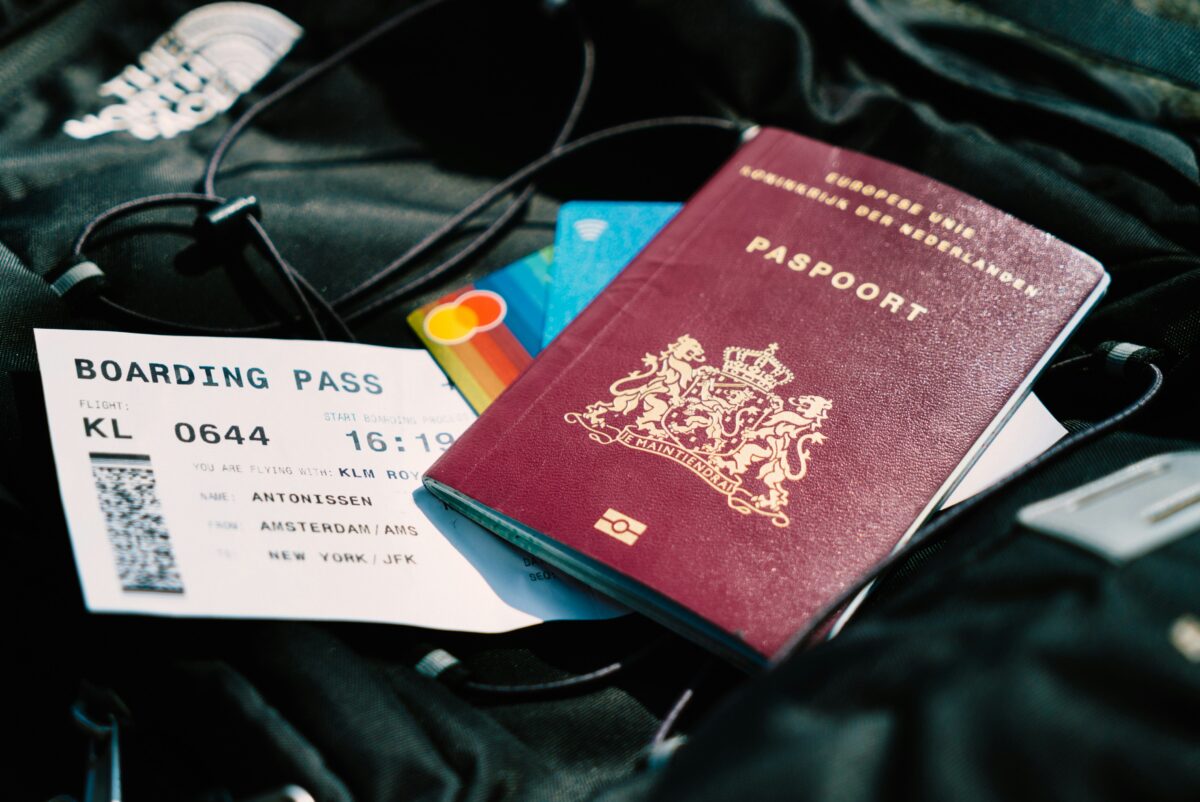
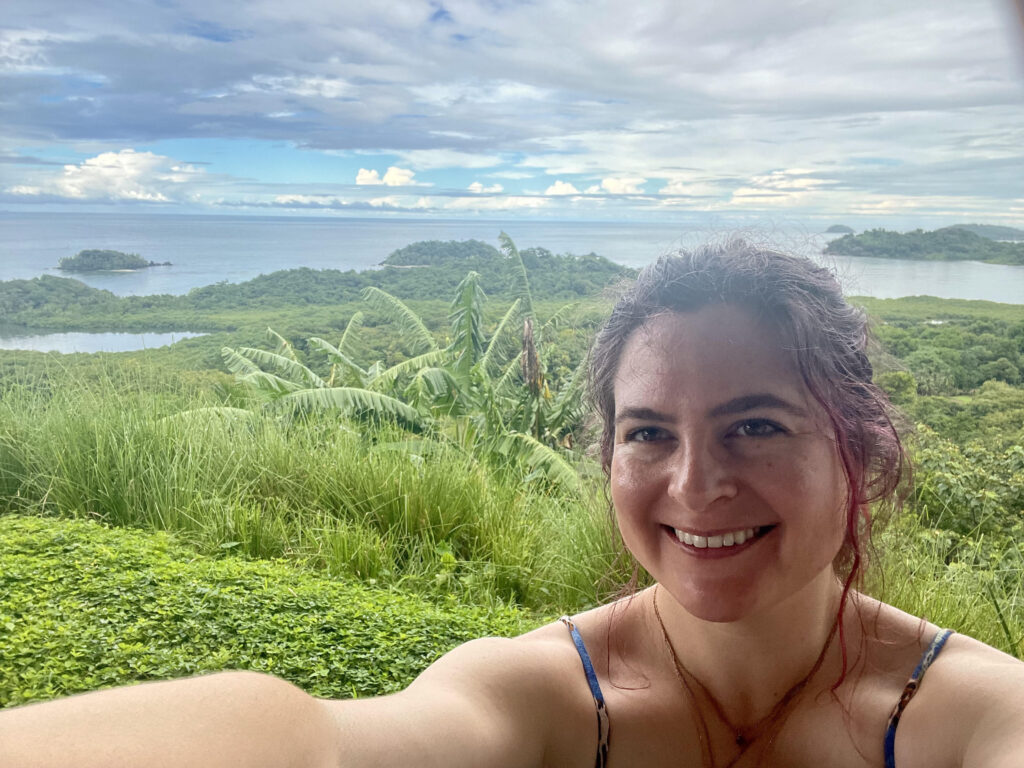
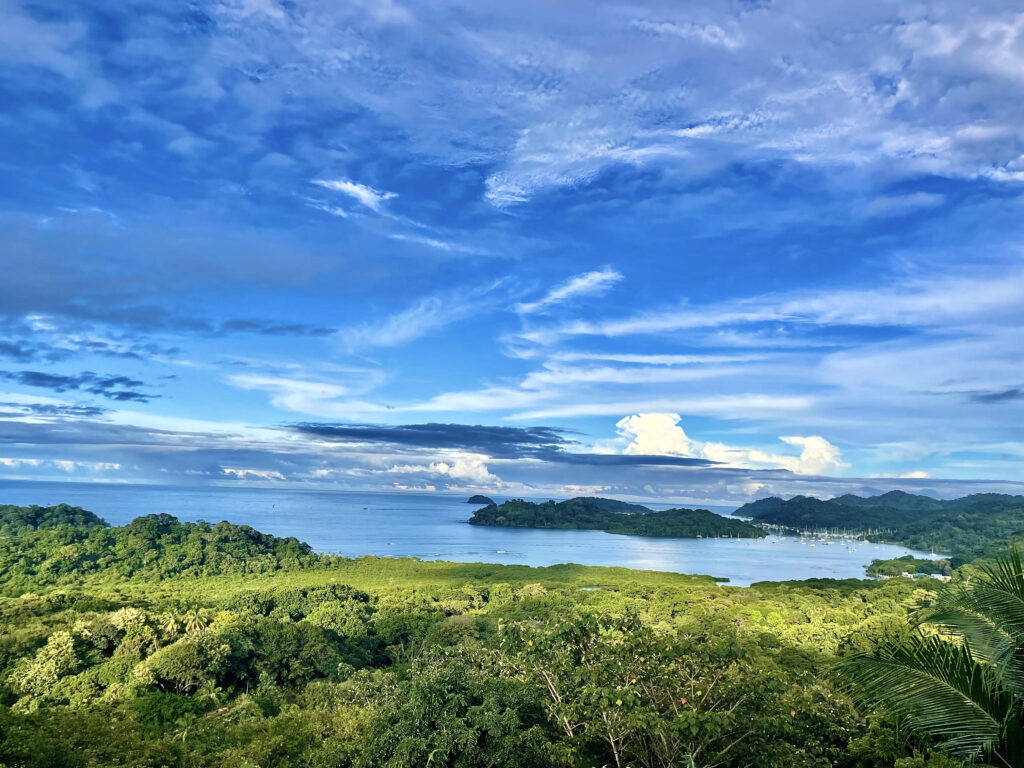
If you’re planning international travel from the DMV area, getting your vaccines doesn’t have to be complicated or ridiculously expensive.
I spent hours researching and calling various vaccine providers, and so many of them were total ripoffs, especially the travel clinics. Even Walgreens and CVS were way more expensive than need be. Costco is the cheapest way to get travel vaccines in Northern Virginia, etc.! And… BONUS… you don’t need a Costco membership.
Before you go, search GoodRx.com for your vaccines and screenshot their coupons on your phone. Saved me a few hundred bucks!
Call Costco ahead of time to make sure they have what you need in stock or can order it. Appointments aren’t required, and, honestly, the pharmacy is busy no matter what time/day you go so just pick the most convenient option for your schedule. Budget an hour to 1.5 hours to get your vaccines.
In short: skip the travel clinic markup. Costco + GoodRx is a much easier way to get travel-ready.
*Cost info as of April 2026*
CVS: chikungunya: $460 cholera: $375 japanese encephalitis: $750 for both shots polio: $100
Costco: chik: NA… vinkunya… $329.12 cholera: $289.99 enceph: $610 for both polio: $55.99
When you buy your tickets, note that the seats on Latin American airlines are smaller than those in North American/Europe. The “Extra Leg Room” seats are about the same as a standard US economy seat, and the “Economy Seats” are meant for exceptionally tiny people. Plan accordingly!
Panamanians use US dollars, so we were able to tip liberally throughout the trip. Bring lots of small bills!
Can you drink the water in Panamá?
Yeah, you can. But if you’re a gringo, I would recommend sticking with bottled or boiled water. If you’re at a resort, you’re probably fine drinking things with ice, but anywhere else I’d skip it—you don’t know where the water for the ice came from. It’s just not worth getting sick over something that simple.
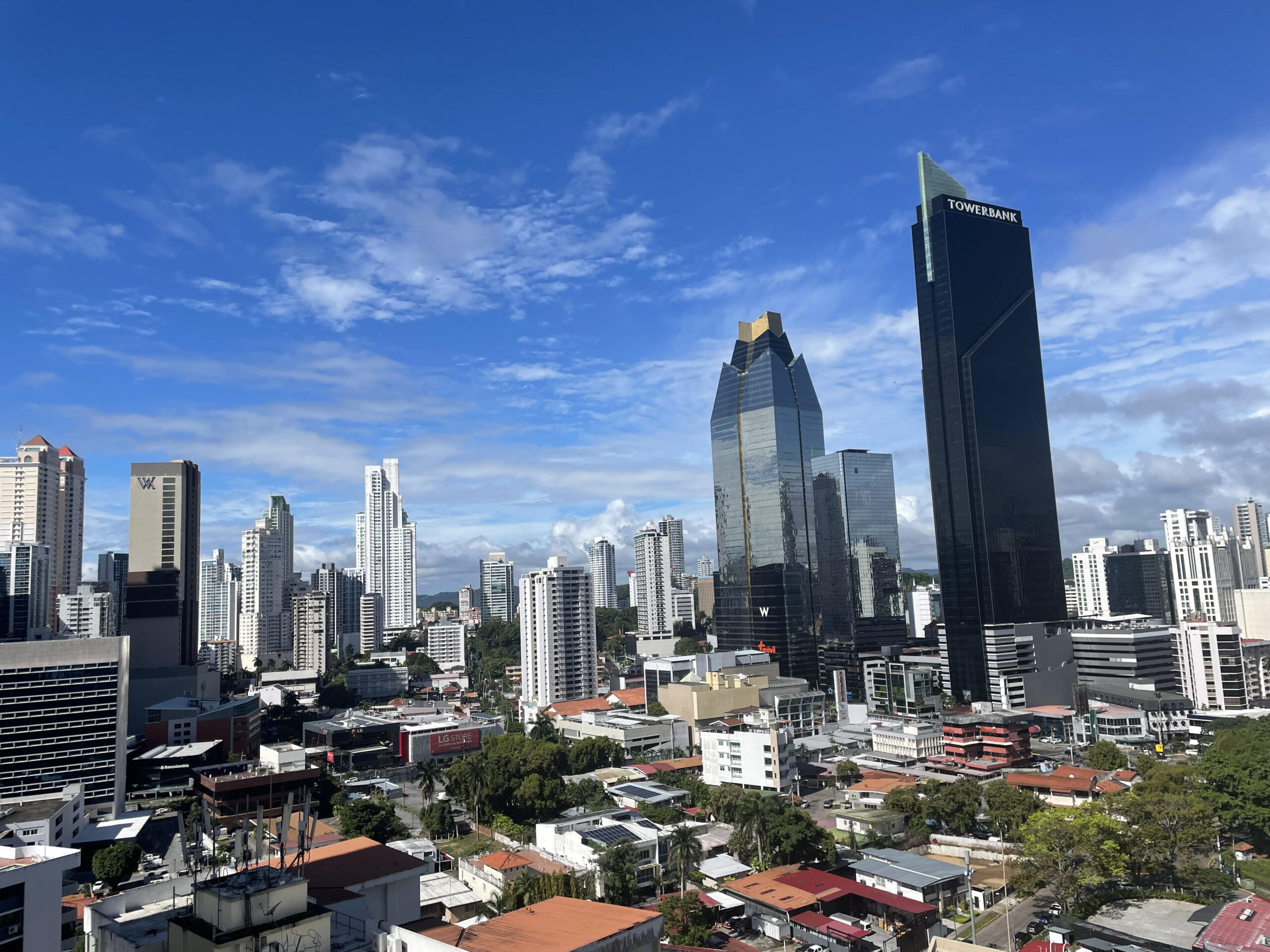
Where to stay in Panamá City, Panamá
When you’re searching for places to stay or things to do, make sure you’re not accidentally looking at results for Panama City, Florida.
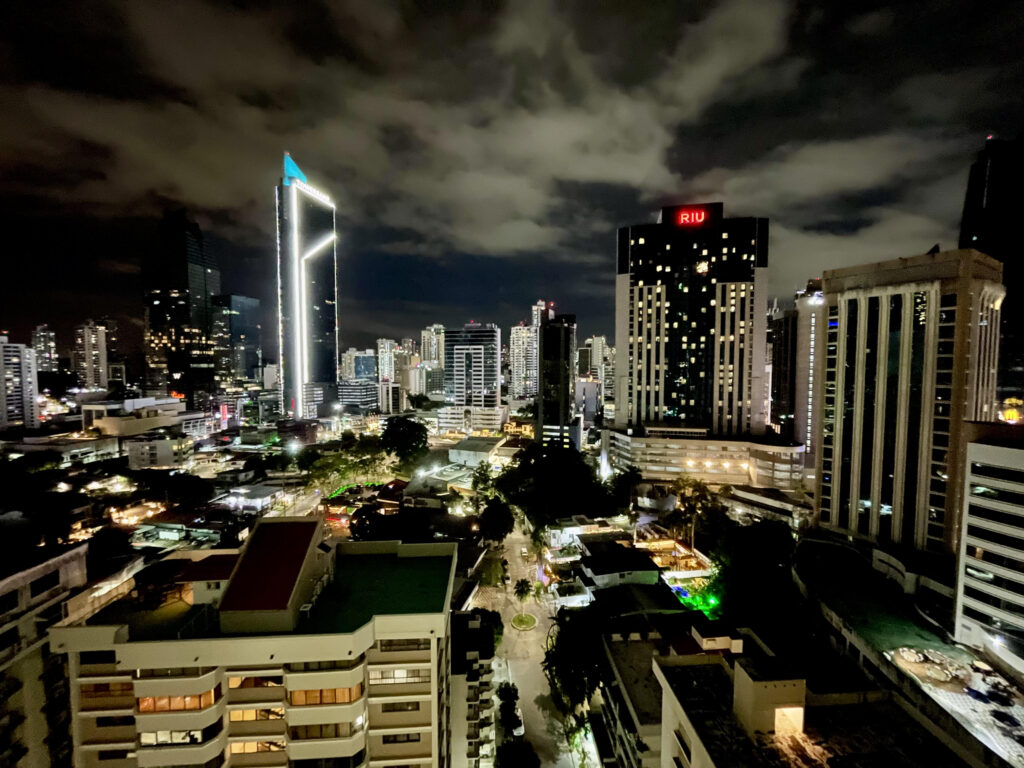
We stayed in a condo in the business district. Oddly, there was a Thursday rooftop party with bongo drums, but thankfully it ended before midnight. Latin American cities aren’t usually quiet at night, so that actually felt like a win.
In the morning there was a lot of honking as people finished their commute, but it wasn’t too bad. I’d still recommend staying in the business district.
The phrase of the day was “ta bien,” or “all good,” which perfectly captured the mood.
Things to do in Panamá City, Panamá
Getting around via Uber is cheap and super easy.
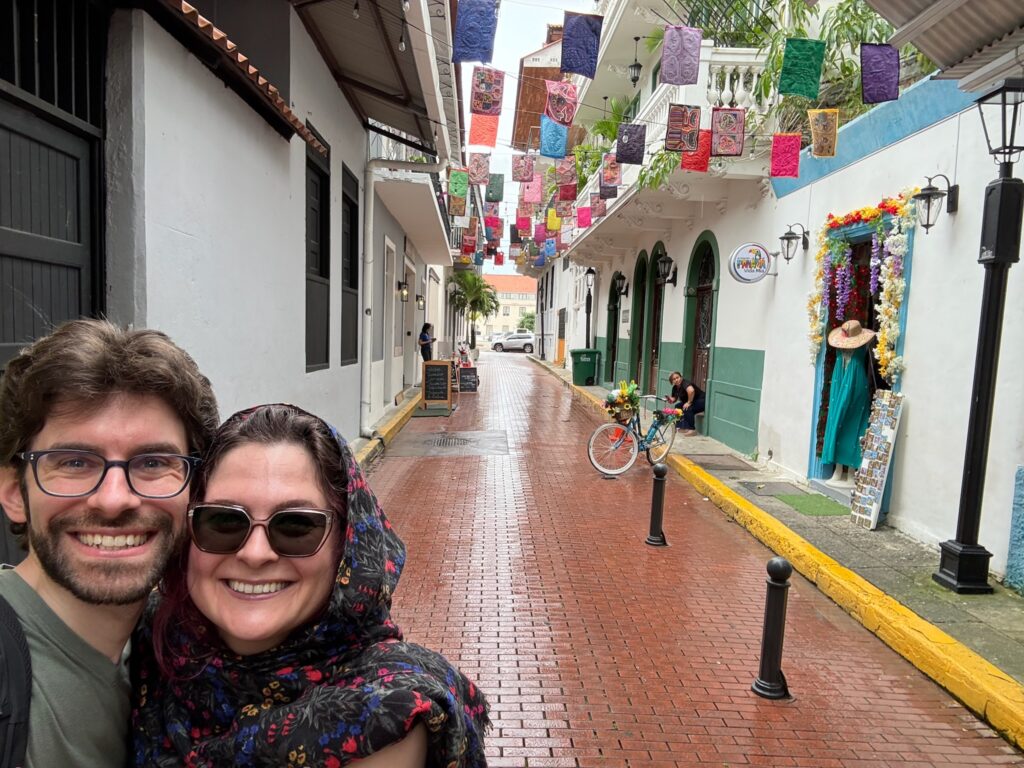
I highly recommend making the MOLA Museum in the Old Quarter your first stop. It’s a free museum (you can leave a tip at the end!), and the stories behind this Indigenous art form are genuinely fascinating. You can get through it in 30 minutes if you’re quick or about an hour if you’re relaxed.
Climb the stairs around the Plaza de Francia and see the molas created by the women of San Blas. If you ask about the stories, they’ll happily tell you. It helps to have someone in your group who speaks Spanish. Even basic Spanish is fine—the accent is very clear and people speak slowly.
We bought three molas for $50. It takes dozens of hours to make a mola, so we didn’t bother haggling. These women deserve to be paid for their art.
A lot of vendors also sell sea shells. Try not to buy those; it’s not sustainable and it’s bad for the environment.
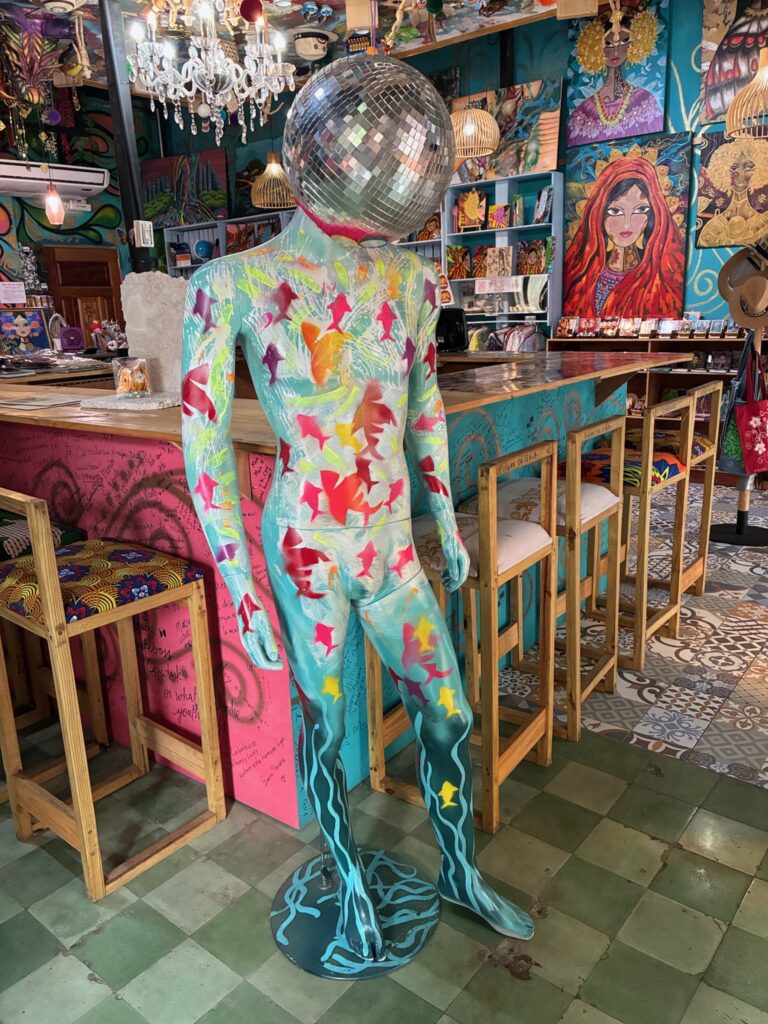
I’d also recommend stopping by the Artesenias Panamá Vida Mía art studio, which is a short walk from the molas. Great photo ops and we ended up buying some art there, too.
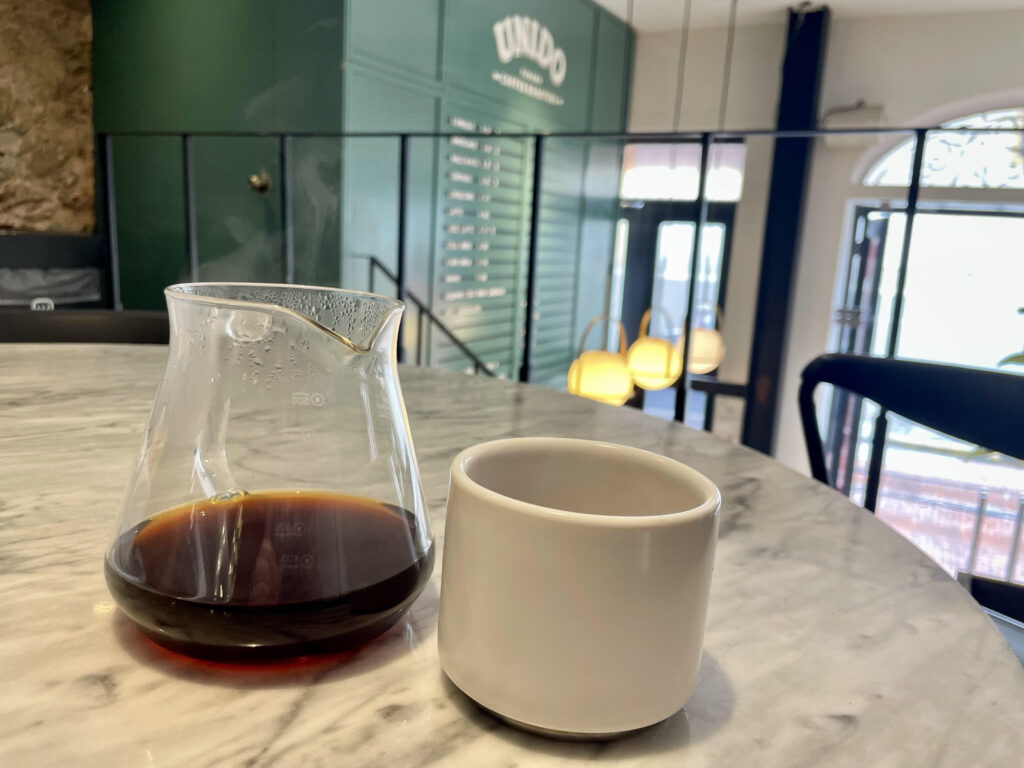
Panama boasts the “most expensive coffee in the world,” but you can try it for cheap in the capital. There are shops offering tasting experiences for much more if you’re a coffee aficionado. I’m more of a regular coffee person, so the $8 cup of geisha at Unido Coffee was perfect for me. We also tried rosemary lemonade coffee, which was surprisingly really good.
If you have food allergies, it’s easier to order through Uber Eats than to go out. Many restaurants have pre-made dishes and won’t be able to make changes, the service is incredibly slow, and sometimes staff don’t know what ingredients are in the food.
If you don’t have food allergies, ta bien! Just relax and don’t plan on getting anywhere quickly—you’re on Latin American time.
After some research, we decided not to go to the Panama Canal Museum. Instead, we stopped at a lookout point, watched the boats inch their way across, took some pictures, and continued on.
If you need groceries, get them in the capital. There are stores in other towns, but nowhere near as many options. And outside the capital, you won’t find souvenirs or basic US-type items—flip flops, towels, etc.—so stock up early and supplement as needed.
Driving in Panamá
Driving here was easier than in any other Latin American country we’ve visited. The roads were well maintained, and although drivers make their own rules, there’s a method to the madness. If you’re a confident driver, you’ll be fine.
Once you get into smaller towns, paved roads can suddenly turn into pocked dirt roads, so I highly recommend getting a car with four-wheel drive just in case.
If you’re trying to make a flight, leave twice as much time as you think you need. We got stuck in an hour-long traffic jam in one of the small towns on our way back to the airport!
Outside Panamá City
We stopped at the Gamboa Rainforest Reserve for a basic lunch. Think white-people food—chicken fingers, tiny burger sliders. I brought instant noodles, and they were happy to give me boiling water.
We bought tickets for a wildlife tour because we really wanted to see the poison dart frogs. They had us buy tickets right before the tour started, since sudden weather changes can cancel it.
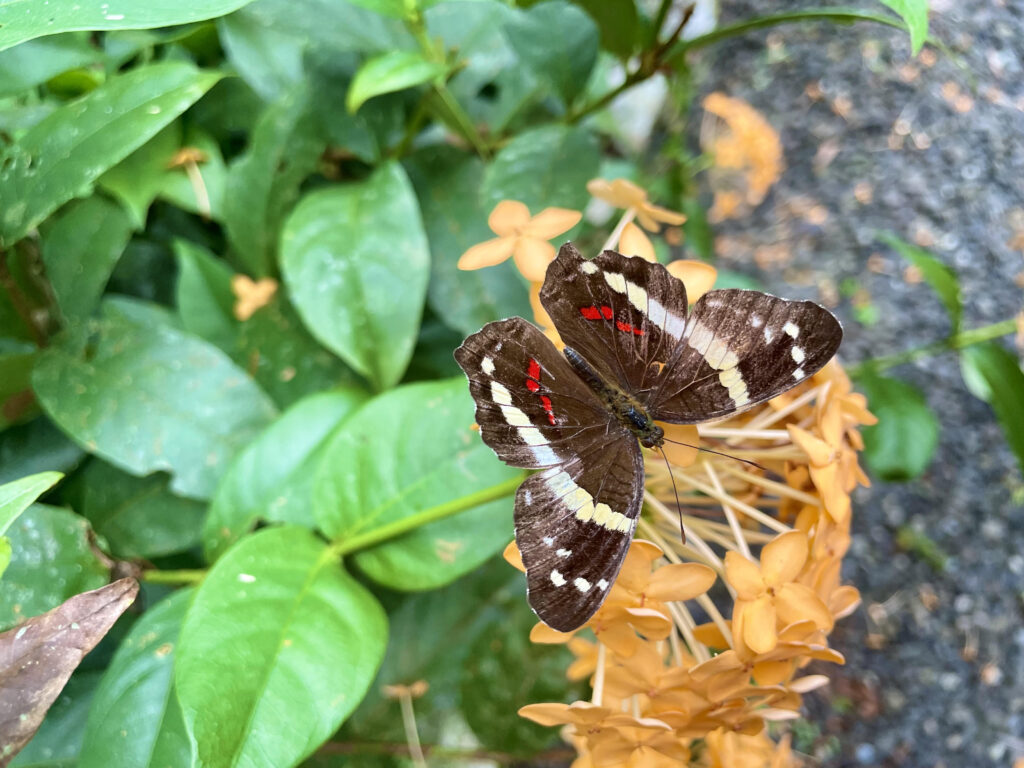
We saw a capuchin monkey, butterflies, hummingbirds, dart frogs, sloths, Panama’s national flower and even a one-day orchid. Lots of magical little moments. The guide was knowledgeable and gave us plenty of time to explore. Very hands-off unless we wanted more info.
Visiting Distrito de Portobelo, Panamá
This day was a whole collection of creature sightings: a pelican, falcon, hummingbirds, capuchin monkeys, wild calla lilies, cows, oxen, vultures, a toucan, and a random cat-dog-chicken-duck assortment that felt like the beginning of a folktale. All the dogs were male for some reason. (Can someone explain this to me??)
The howler monkeys sounded a lot like California sea lions, which was disorienting but hilarious. (And then less hilarious when they woke us up at 5 a.m.) We wondered what a group of howler monkeys is called and decided the only correct answer is “a menace.”
No beach worth visiting. Power cut out a few times but not for long. Make sure you rent a place with AC. You don’t need hot water, but it is nice. Many places come without.
You’ll definitely need an eye mask and earplugs. When it rains, the roof becomes a drumline—SO loud. A lot of places don’t have curtains or blinds. I’d also recommend bringing bird-window stickers because birds flew into our windows more than once, and it was startling for everyone involved. *sadfaces
Make sure to bring ziplock bags and keep everything (even toothpaste!) inside one. The ants are determined in the rainforest!!
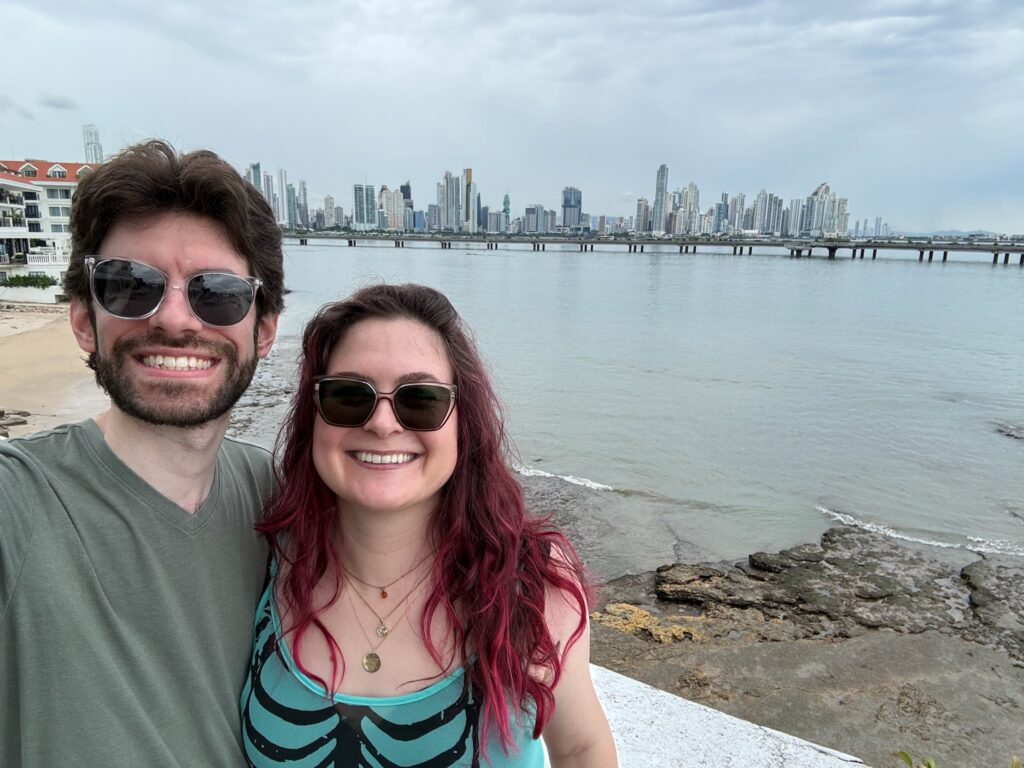
Overall, it was an amazing trip, and I highly recommend visiting. The city and surrounding areas have something for everyone: the hardcore hikers, photographers, art enthusiasts, foodies, families and folks who just want to meander and sit down for a nice meal and a good café.
I’m incredibly grateful for modern medicine—it’s saved me from so many painful health issues.
That said, scalp psoriasis is tricky. A lot of the long-term medications on the market just aren’t ideal for your overall health, so I started researching more natural options to help manage symptoms. This blend isn’t a cure, but it has seriously reduced the burning, itching and pain I deal with on a regular basis.
A few notes before you dive in:
You can tweak the amounts, but start small and increase slowly.
Always do a patch test first.
Only buy from high-quality, trusted suppliers. Grocery store essential oils (yes, even from Whole Foods) won’t cut it. I recommend Aromatics International for essential oils and Making Cosmetics Inc. for liquid salicylic acid. Want more on why sourcing matters? Check out this post.
Several of the recommendations contain antifungal properties. That’s because all humans naturally have fungi and yeast on their skin. When psoriasis causes the skin to crack and triggers an immune response, it can create an environment where these organisms grow more rapidly—contributing to the intense burning and itching that often come with the condition.
I also use this recipe for bug bites and itchy rashes.
How did I pick these ingredients? I read a lot of academic studies. It was slow going but worth it!
Here’s what I use and why:
Jojoba Oil, 2 tbsp: A lightweight carrier oil that closely mimics your skin’s natural oils—so it absorbs really well without making your scalp greasy. It dilutes the essential oils to make them safe to use.
Rosemary Essential Oil, 8 drops: Soothes itching and irritation.
Salicylic Acid (liquid form), 1/4 tsp: Gently breaks down and loosens psoriasis scales.
(Optional)Tamanu Oil, 1 tbsp: Another carrier oil, rich and nutty-smelling, great for skin healing.
(Optional)Cedarwood Essential Oil, 5 drops: Thought to support skin health and calm inflammation.
(Optional)German Chamomile Essential Oil, 3 drops: Deeply calming and anti-inflammatory.
(Optional)Tea Tree Essential Oil, 4 drops: Antimicrobial and soothing for irritated skin.
(Optional)Rose & Geranium Essential Oils, 4 drops: Good anti-inflammatory, according to some studies, and adds a lovely scent.
(Optional) Neem Oil, 1 tsp: Super effective anti-fungal but has a strong smell!
Store the liquid in a glass jar in the fridge if you can. (Tinted glass is ideal if you have it, but not essential.) It melts quickly, and the cool temperature feels amazing on psoriasis flare-ups. I use a paintbrush to apply it to my scalp. Most times, I put it on before bed and rinse it out in the morning, but I also do frequent spot treatments and just keep it on until my next wash.
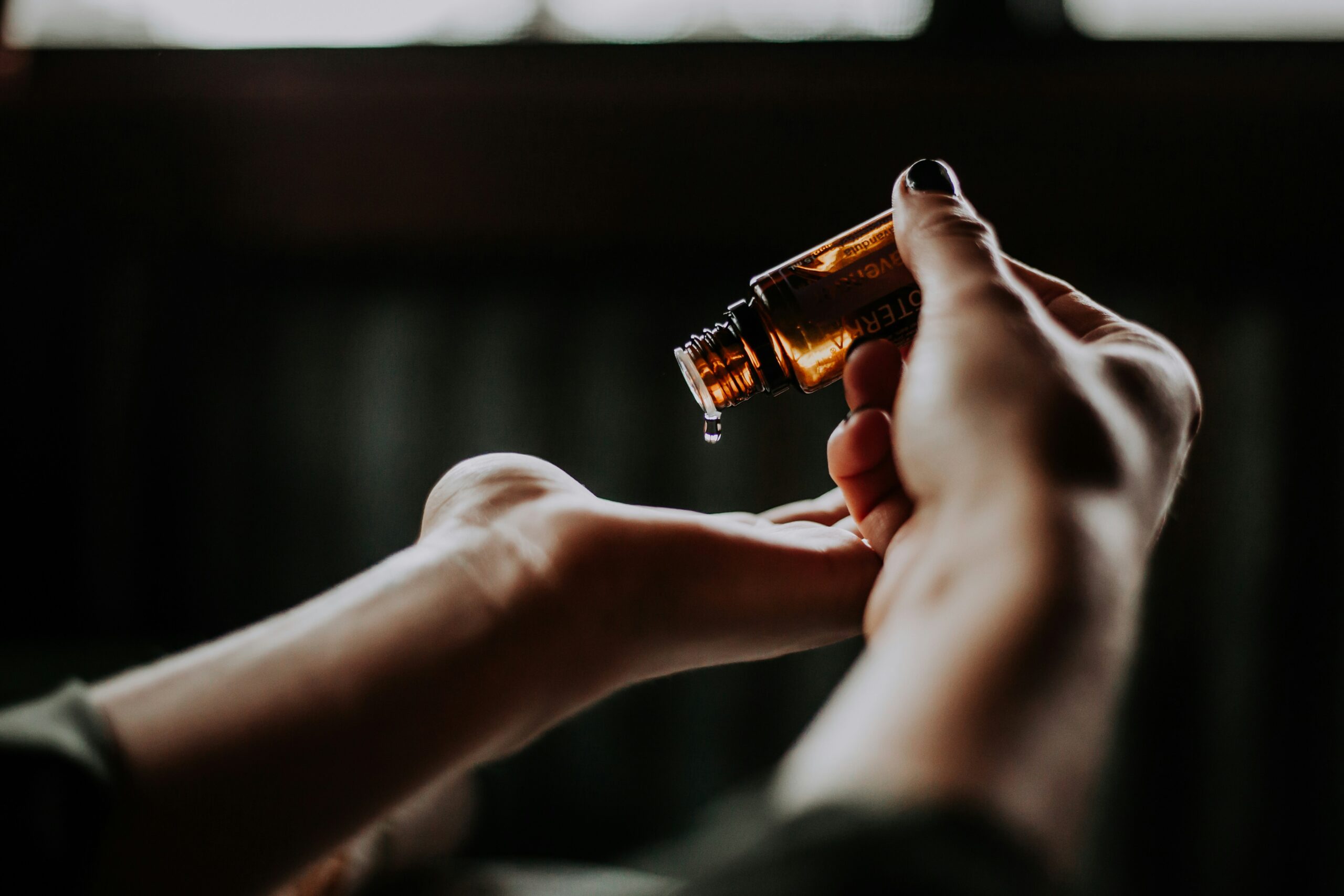
Image Credit: Christin Hume Description: photo of two hands, one holding a small glass amber dropper and dropping essential oil onto the palm of the other hand. black background.
I’m someone who’s very justice-oriented. If I see something wrong happening, I have a hard time just letting it go. Sometimes, that’s a great quality. Other times, it’s absolutely exhausting.
I constantly run into little moral quandaries. Like, when my husband and I were on vacation, we found a lost dog—an older pup, clearly confused, dehydrated, and wandering into traffic. No one stopped. Even though we were just visiting, we spent hours trying to find his owner. When animal control ghosted us, we paid for an Uber to take him to the nearest shelter. Worth it? Absolutely.
But not everything is so clear-cut. Like recently, my doctor’s office overcharged me $30 for a procedure. Do I hate that? YES. Do I think they probably do it to other people too? Also yes. Is it wrong? No question. But… should I spend 3+ hours fighting a $30 charge?
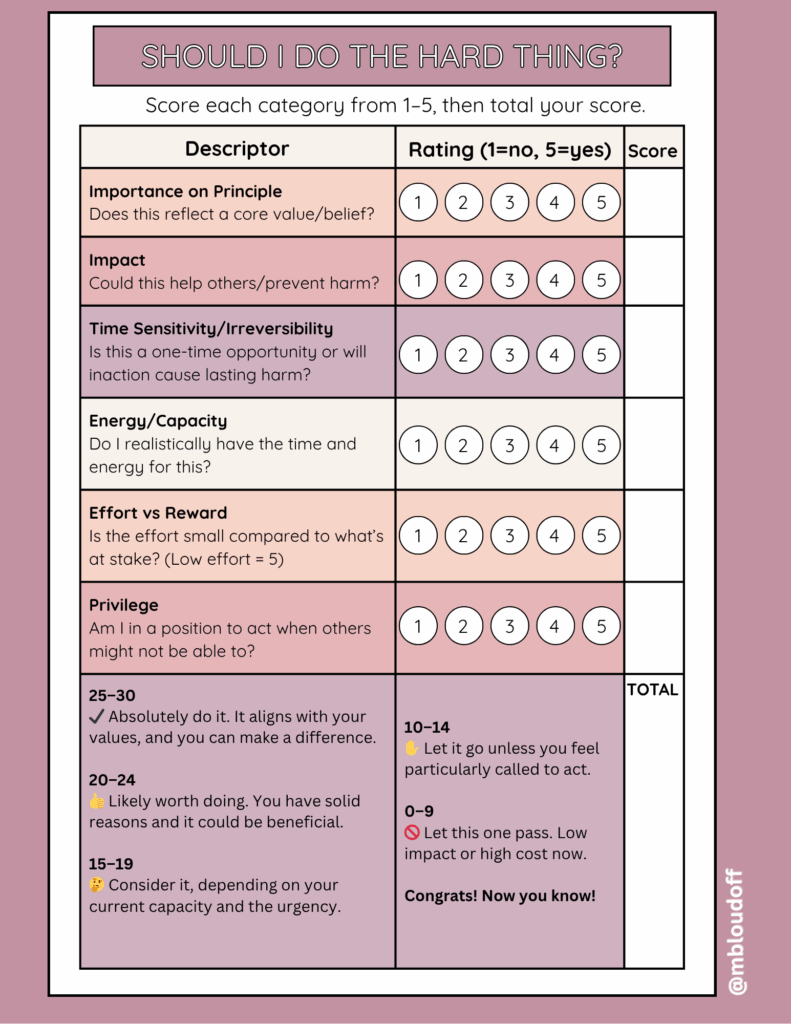
Cue the “Should I Do the Hard Thing?” Rubric!
Even though my entire being wants to go to battle, the numbers don’t lie: it’s probably not worth the soul-crushing hold music and circular phone conversations that would eat up my whole afternoon.
What do you think? Agree? Disagree? How do you decide when it’s worth taking on a fight like that? LMK!
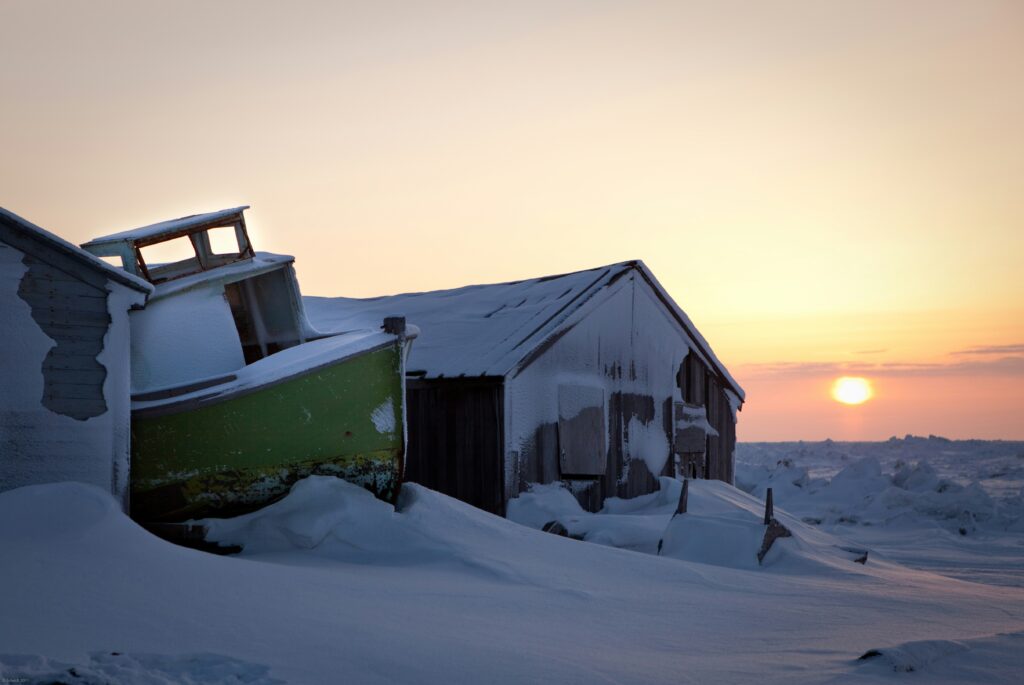
We went to Alaska in June for the good weather. One of my life goals was to go to the northernmost part of the United States, which is a town called Utqiaġvik (Oot-Key-og-vik) or Barrow depending on if you’re a foreigner or a native American. It’s easy to get to but getting back can be hard if there’s a storm or fog that cancels flights. There aren’t too many places to stay and they book up far in advance for workers, scientists and naturalists that venture up there. Here’s where we stayed: https://www.airbnb.com/rooms/9059712 Photo Credit: Deborah Schildt
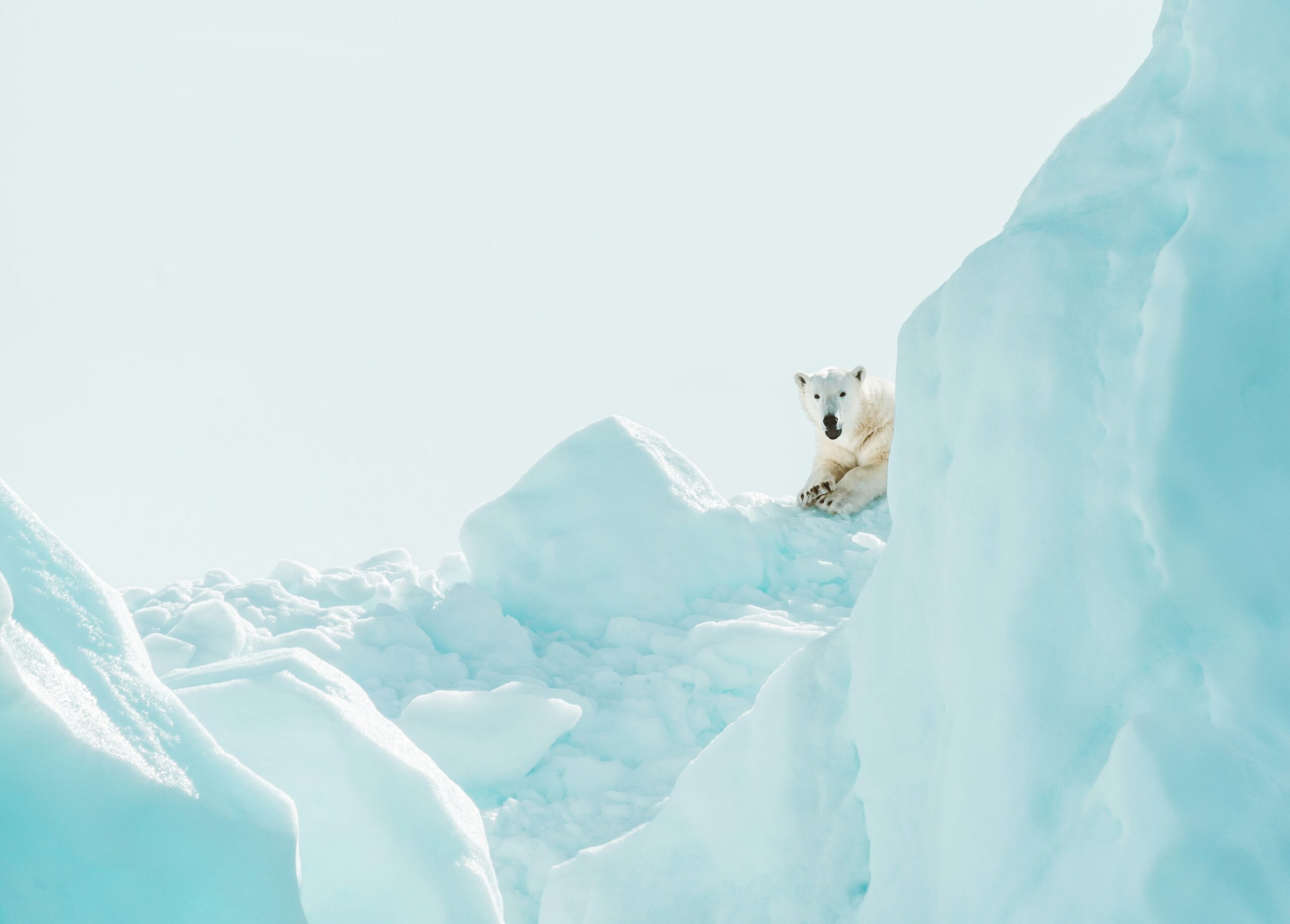
I also really wanted to see a polar bear, and we got lucky and spotted one (from far away, thank goodness!) while we were there! We hired a tour guide named Mike (907-367-4972), and he was quite the character. But he picked us up from the airport and drove us around. We got so many awesome stories. He even offered to park and let us jump in the water, but it was frozen solid so we declined! Photo Credit: Annie Spratt
Food is really expensive there because everything has to get flown in so you can bring a bag of your own food, pay your B&B host to cook for you or shop at the local grocery store. Just be prepared for the prices to be quadrupled from what you can get in Anchorage. There’s no alcohol.
You can also reach out to local research centers and native communities to see if there are any events. We met up with a scientist to chat and got to see a local whale catching ceremony! You don’t need a car here, everything is within walking distance or you can ask anyone for a ride. There’s also a great community FB group you can join and meet up with people or ask for advice!
Seward was pretty awesome. We hiked up a glacier and then went ice climbing in a crevasse! It’s WAY easier than rock climbing and so so beautiful. On the hike there we saw a brown bear a little too close for comfort, but our guide was super on it and we were still able to get to our destination. Really appreciated their safety consciousness! https://www.exitglacierguides.com/content/exit-glacier-ice-climbing-trip Here’s where we stayed: https://www.airbnb.com/rooms/46714430 Photo Credit: Drew Farwell
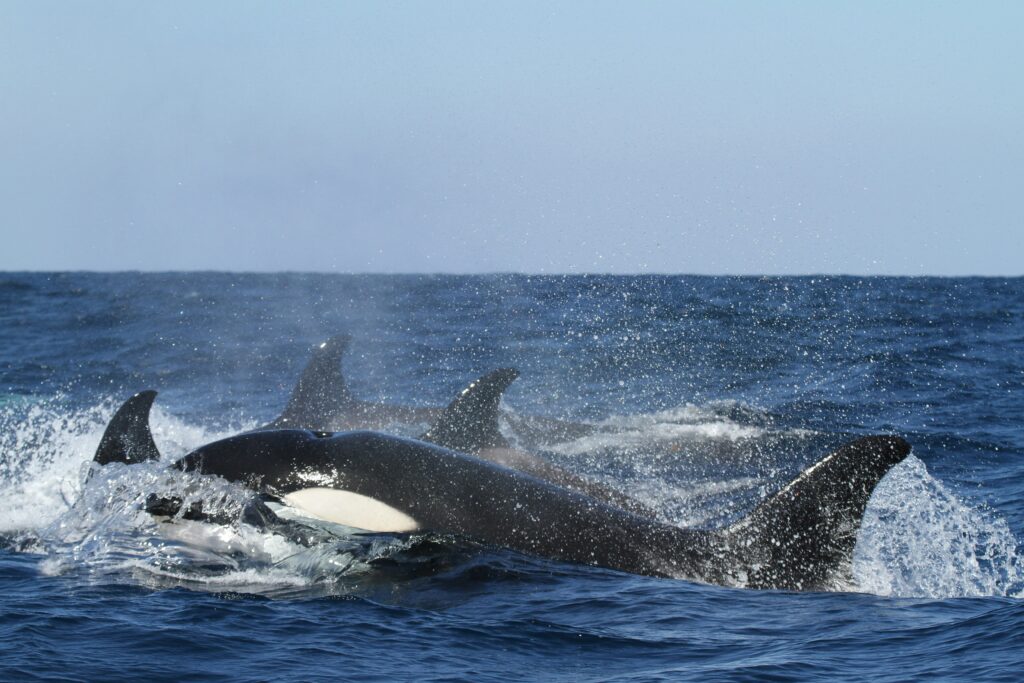
We also booked a half-day boat tour and achieved our life goal of seeing orcas (among others)! There’s also a full-day tour available. I’d probably go for longer if you like boats. I’m just not a fan of being on the water so we opted for a shorter ride. Major Marine tour options Photo Credit: NOAA
NOTE:
There are a LOT of anti-vaxers and MAGA people in Alaska. I would bring COVID tests and Paxlovid just in case you get sick and aren’t able to find them.
Say “not spicy” for everything, even if it’s not a traditionally spicy food.
People will pretend to understand you in order to be polite. This is true for restaurant staff as well. Make triple sure they actually do get it!
Google maps is unreliable. A paper map from the hotel will suffice.
Walk across the street and don’t stop. When you want to cross the street, you have to go confidently—and you can’t stop. That’s because there are a lot of cars and mopeds and, while one vehicle may swerve to avoid you, the vehicle directly behind it won’t see you.
Don’t smile at vendors or respond to their shouts. A hotel concierge told us that smiling or responding in any way would signal that we wanted to buy something, and that it was more polite to just ignore the attention.
There’s no such thing as a one-way street. Look both ways… always.
Hire the hotel driver because they have an incentive to follow (some of) the traffic laws. When you’re getting to your hotel from the airport, it’s smart to hire the hotel’s driver. If you get into a taxi, all bets are off.
Do not rent a bike or a moped. Unless you’re an absolute pro and “one” with the bike, it’s not a good idea to learn how to ride bikes/motorcycles here. There are just way too many accidents waiting to happen.
Wear a mask outside, too. The air pollution can be many dozens of times greater than what the WHO suggests is OK. That means even walking outdoors is bad for your health. Keep that mask on!
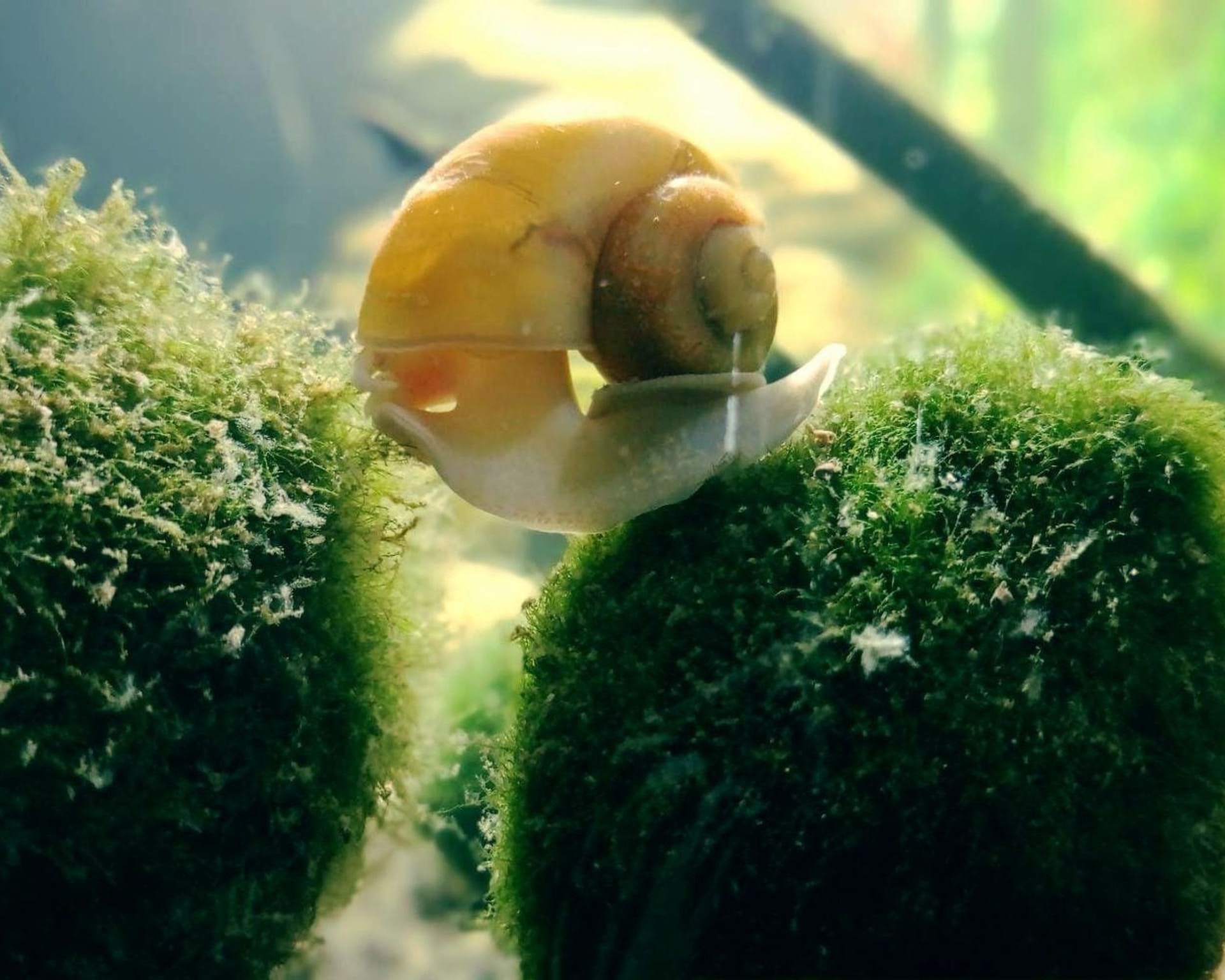
What you need to take care of these aquatic cuties!
𝐡𝐞𝐚𝐭𝐞𝐫: I use this heater for my 40 gallon aquarium “EHEIM Jager Aquarium Thermostat Heater 100W.” Smaller aquariums can use smaller wattage heaters. Note that ALL heaters you get online are NOT accurate. It’s nice to get a cheapo thermometer to check. My heater is set at 83F and my tank is 76F. Annoying but not a big deal. The reason you need a heater is because it gets too cold here during the winter for the snails to live happy lives! In the summer, you technically don’t need a heater BUT, when the water is warmer, the snails are more active and more fun to watch! Optimal temps are between 68-84F.
𝟏𝟎 𝐠𝐚𝐥𝐥𝐨𝐧 𝐚𝐪𝐮𝐚𝐫𝐢𝐮𝐦: Yes, you can go smaller. This is just the easiest size to take care of. Why? You don’t have to clean it as often! Always buy a NEW tank! Tanks that have been used can contain bad bacteria and the eggs of assassin snails. Assassin snails will eat mystery snails(!!) and they’re REALLY hard to get rid of! I like the brand Aqueon from Petsmart. It’s cheap and hardy.
𝐟𝐢𝐥𝐭𝐞𝐫: It’s always better to get a filter that’s rated for a tank that’s bigger than yours. Again, bigger filter, you clean less! My tank is ~45gal and my filter is rated for 50-75 gallons. Iike this brand “MarineLand Penguin 350 Power Filter 50 – 75 Gallon Aquarium, 350 GPH “
𝐩𝐮𝐫𝐢𝐟𝐲 𝐭𝐡𝐞 𝐰𝐚𝐭𝐞𝐫: This one you can’t substitute or do without. The water in our area will 100% kill baby snails. BUT, if you add a few drops of this “Fluval Water Conditioner for Aquariums” then all the bad stuff is neutralized and your snails are safe. Don’t skip this step ever! I have, and it’s bad news!
𝐟𝐨𝐨𝐝: You can technically make your own snail food or try out different veggies to see what they like. I don’t have time for all that so I just buy calcium chips and snail cookies from https://www.crayfishempire.com/ A bag of each will last you more than a year! You also need to buy some frozen mysis shrimp from petsmart. Snails need some meat in their diet, especially as they’re growing! One packet will last you about two months or longer.
𝐜𝐥𝐞𝐚𝐧𝐢𝐧𝐠: I have 25 snails so I clean my tank once a week. It takes me about 15 minutes and I use the water to water my houseplants. (It makes them VERY happy!) You can get something super simple like $13 “Luigi’s Aquarium/Fish Tank Siphon and Gravel Cleaner” to clean your tank. I splurged and got “AQQA Aquarium Gravel Cleaner Siphon Kit,6 in 1 Electric Automatic Removable Vacuum Water Changer” It’s $35, but it makes cleaning the tank SO fast and EASY. If you don’t mind spending an extra 20 bucks, I’d recommend it!
𝐡𝐞𝐚𝐥𝐭𝐡: You will need the API Freshwater Master Test Kit. It will last you years. I’m still using my original one! Don’t buy anything else… they’re useless and won’t give you accurate results. Once the tank is established, I like to check my water once a week. Luckily, the snails have a habit of telling you when something is wrong… you’ll see them lined up at the top of the waterline! Then you know you need to check and see what’s up.
SIDE NOTE: If you want to keep plants, you’ll need to buy an aquarium light. Do NOT keep the light on at all times. Fish and snails need to sleep. It’s very bad to keep them in the light all the time. I recommend light for no more than 8 hours a day or you’ll get algae growth.
I hate working out. It’s SO. DAMN. BORING. and fraught with social interactions I’d rather avoid.
I tried running. I really did. I got the phone apps. I got fitted for the shoes. I joined training programs. It was multiple-exclamation-points-terrible.
Running around outside makes me feel like an idiot. I’m dripping sweat in a ratty T-shirt and shorts that are probably too short as I pass office workers heading into the city with makeup and expensive suits. Or, running at night, I end up as fodder for the scourge of mosquitos that follow me around in a cloud as soon as I step outside.
Jogging on the treadmill at our apartment’s gym is almost as bad. Thank god for climate control and the absence of insects, but dear lord, it’s just so monotonous, and there’s only so much a workout music playlist can do before it becomes completely useless.
So that leaves an actual brick-and-mortar gym. And, for a long while, I was a gym rat. I went every day for at least an hour. But, the problem with going to a gym that frequently is that you start to make friends.
Growing up, my mother constantly had to tell me not to touch things.
Don’t touch the cookie jar (too high), don’t touch the remote (too loud), don’t touch that counter (too unsanitary), don’t touch the stove (too hot), and don’t touch that mud puddle (oops, too late). In fact, I think it might’ve been easier for her to outline the things in life I was able to touch, as opposed to keeping up with my desire to stick my hands in places they didn’t belong.
Fast forward a decade or two, and I’m well into adulthood. Years of social conditioning have taught me that touching random stuff is generally frowned upon—I do it anyway.
I love poking things: buttons, soft leaves, the pristine surface of a newly opened jar of peanut butter. But my true addiction is poking animals. Fortunately for me, this isn’t usually an issue. In DC, the only animals close enough for me to poke on a daily basis are rats and pigeons (aka rats with wings). Ain’t nobody got time for that mess.
Then there’s the non-issue of pets. I’ve had pets my entire life: dogs, cats, birds, a chicken (once), and all of them were mostly OK with/didn’t hate a gentle tummy poke. (Hey, I said I’ve had pets my whole life, not that I was a particularly good or savvy pet owner.) The animals I live with right now, which include two cats and a tall, hairy man, are trained really well/trapped in a long-term Stockholm Syndrome-type situation. Both ways, it works for me.
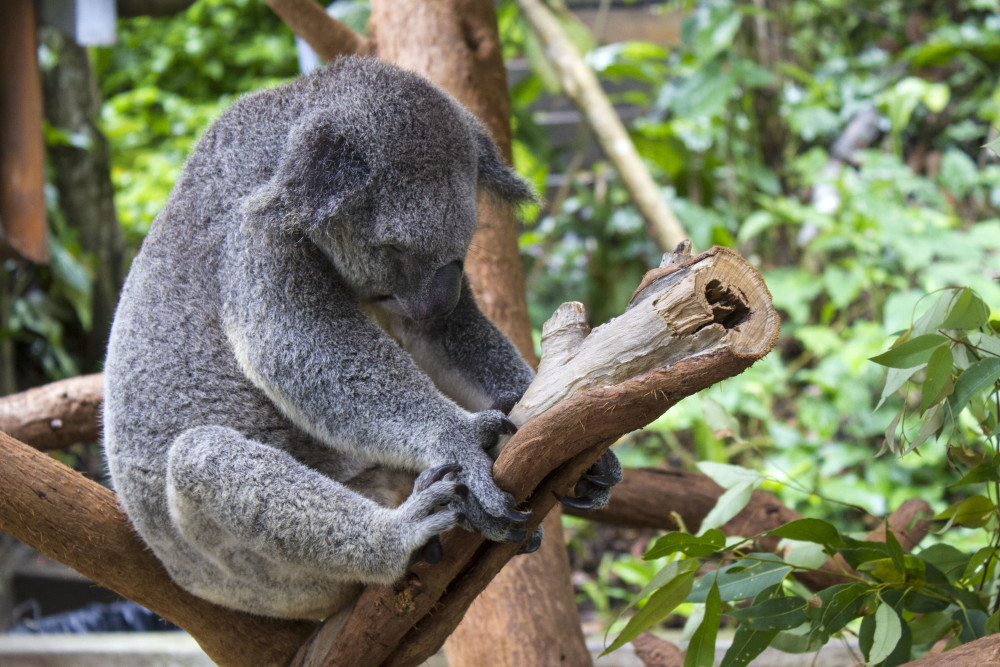
Yup, things were going pretty well on the poking front, but then the Significant Other took me to Australia, the land of extremely poisonous, vicious, murderous and pokeable animals.
*We were there for two weeks. Now’s the time to place your bet. Exactly how many of my fingers ended up in some exotic animal’s digestive tract?