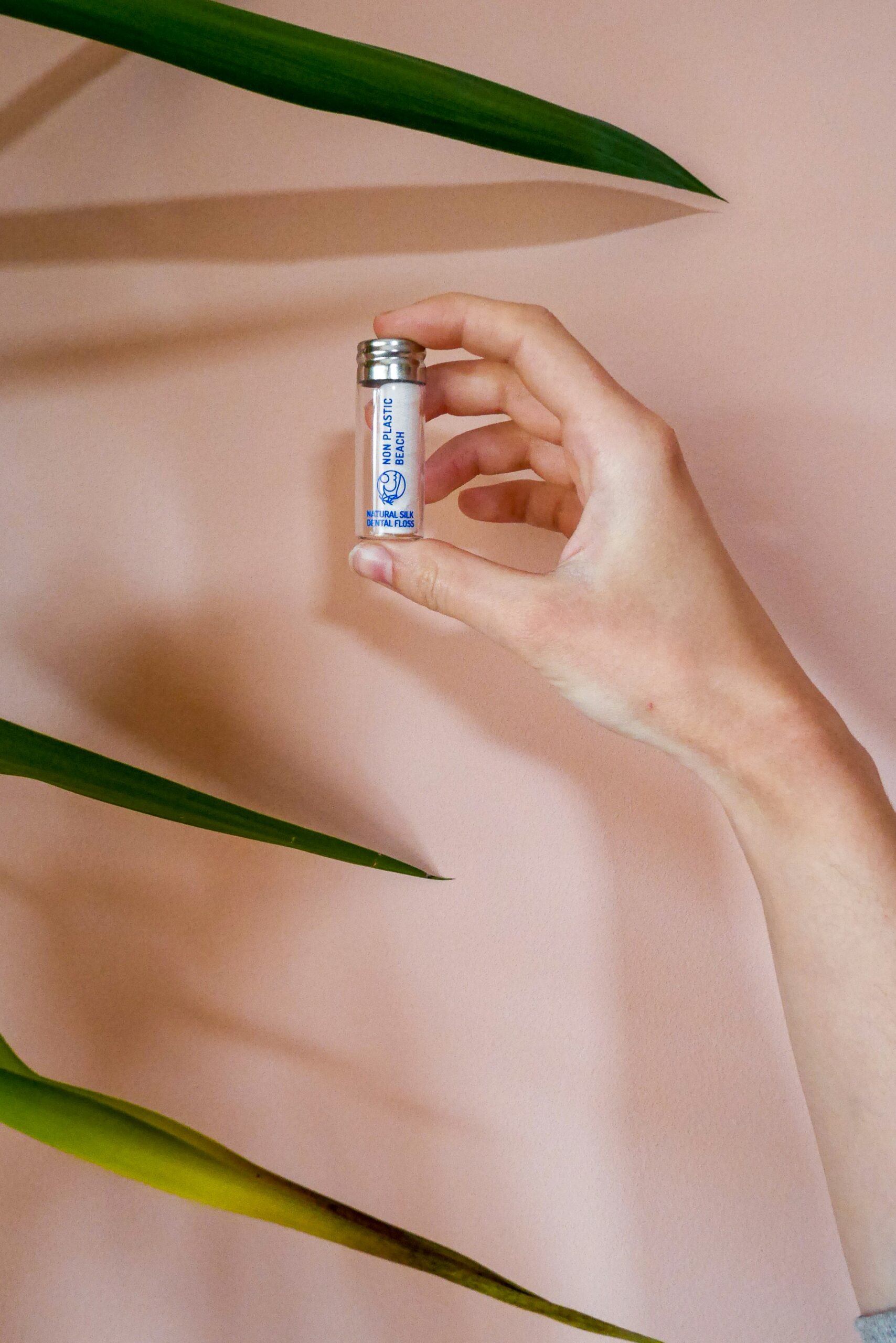
TLDR: We know that plastic “normal” floss isn’t good for your health. More sustainable floss might not be good for the environment.
Why you should care: “Dental floss is often made with PFAS. PTFE, commonly known as Teflon, is one of many PFAS chemicals and is widely used in floss. PFAS are associated with numerous health effects, such as impairing the immune system, cancer, fertility concerns, reproductive and developmental impacts, and kidney disease. Some PFAS are toxic at low levels and are known to build up in the body. PFAS in dental floss could be particularly concerning, considering you put it directly in your mouth and flossing can cause bleeding gums, providing direct access to the bloodstream.” https://www.consumerreports.org/toxic-chemicals-substances/dental-floss-without-pfas-and-other-harmful-chemicals-a9722832754/
Again, I’m recommending Etee. They’re based in Canada so they’re not too far away. They donate to good causes. They don’t do plastic. They don’t test on animals, and use safe materials. They care about their workers and supply chain. Their floss works. They address a lot of my questions about sustainability here: https://www.shopetee.com/blogs/sustainability/silk-or-no-silk-lets-talk-about-it
Floss is a fascinating topic. It’s one of those dental hygiene issues where the big health/safety, sustainability and adoption come into play quite separately.
We know that plastic floss isn’t good for your health. It would be great if there was silicone floss that lasted for years so we could just reuse. One company called “simplyfloss” has this option, but the silicone floss doesn’t last very long. And because silicone is energy intensive to make, this wouldn’t be eco-friendly. https://simplyfloss.com/
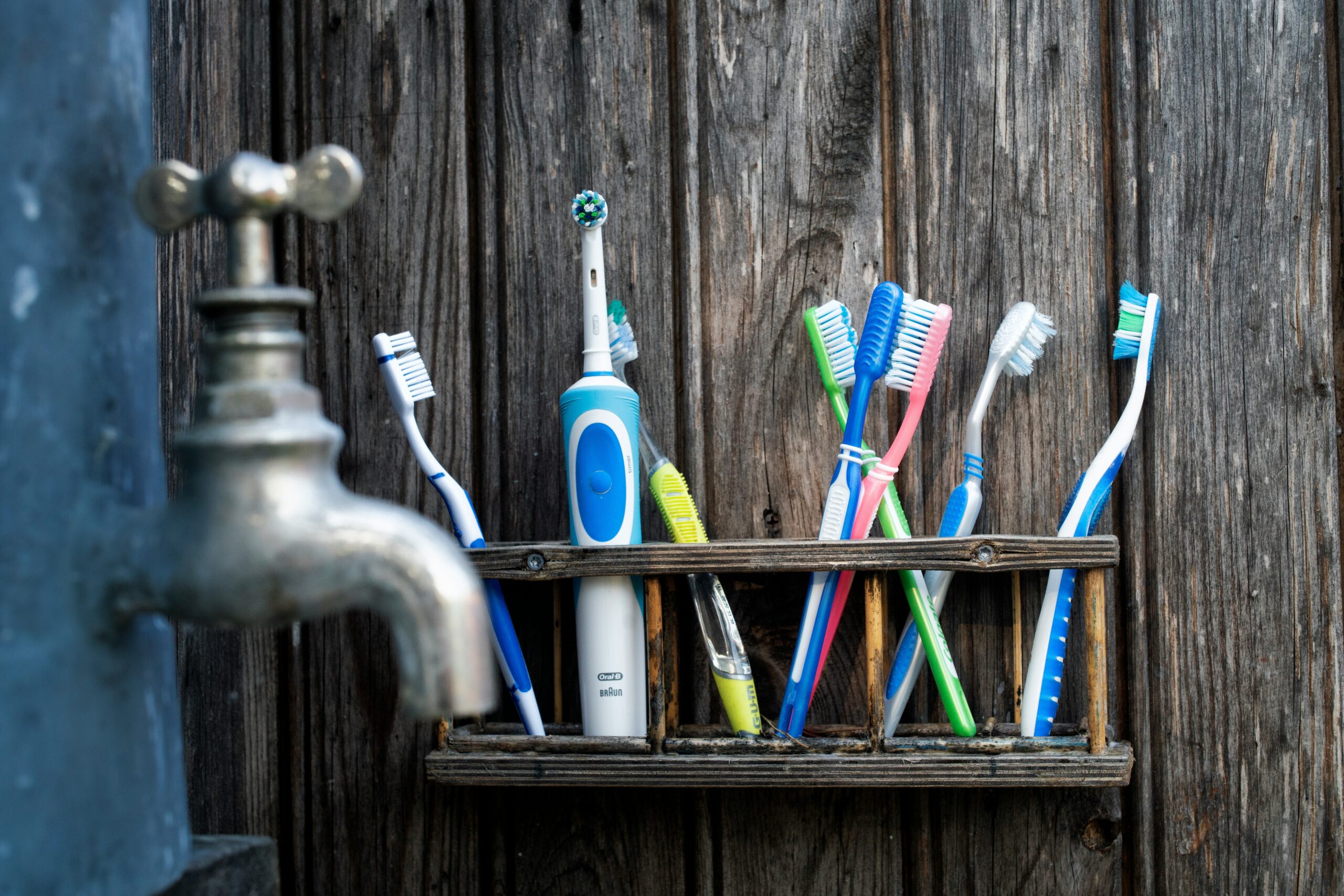
We already have electric toothbrushes, which are not environmentally friendly. So I wouldn’t recommend getting one if you don’t already have it. Since I got it as a gift ages ago, for now, my husband and I are getting sustainable toothbrush heads. https://www.nature.com/articles/s41415-020-2124-3
Ultimately, what you choose is going to depend on what type of electric toothbrush you have. Luckily, most sustainable toothbrush heads have taken this into account and don’t make you buy a whole new electric toothbrush just to use their better product.
I liked Brush Mable because it’s FSC. That means the bamboo was harvested sustainably and no one clear cut forests to make it. I bought in bulk, which means a lower carbon footprint.
TLDR: Store-bought hand soap is a waste of water and money. We’re getting scammed.
Why you should care: Check the ingredients of your hand soap. It’s mostly water! All that water means a bigger carbon footprint when shipping. Plus, it’s a waste of plastic, which takes resources to make and then lives in our landfills and oceans forever. Gross.
I like Etee hand soap for SO many reasons. They’re based in Canada so they’re not too far away. They donate to good causes. They don’t do plastic. They don’t test on animals, and use safe materials. They care about their workers and supply chain. Their hand soap doesn’t have a strong scent, which is great if you have smell sensitivities.
If you want to be even more eco-friendly, buy a bar of soap. But if you’re gonna go with liquid hand soap, this is your brand.
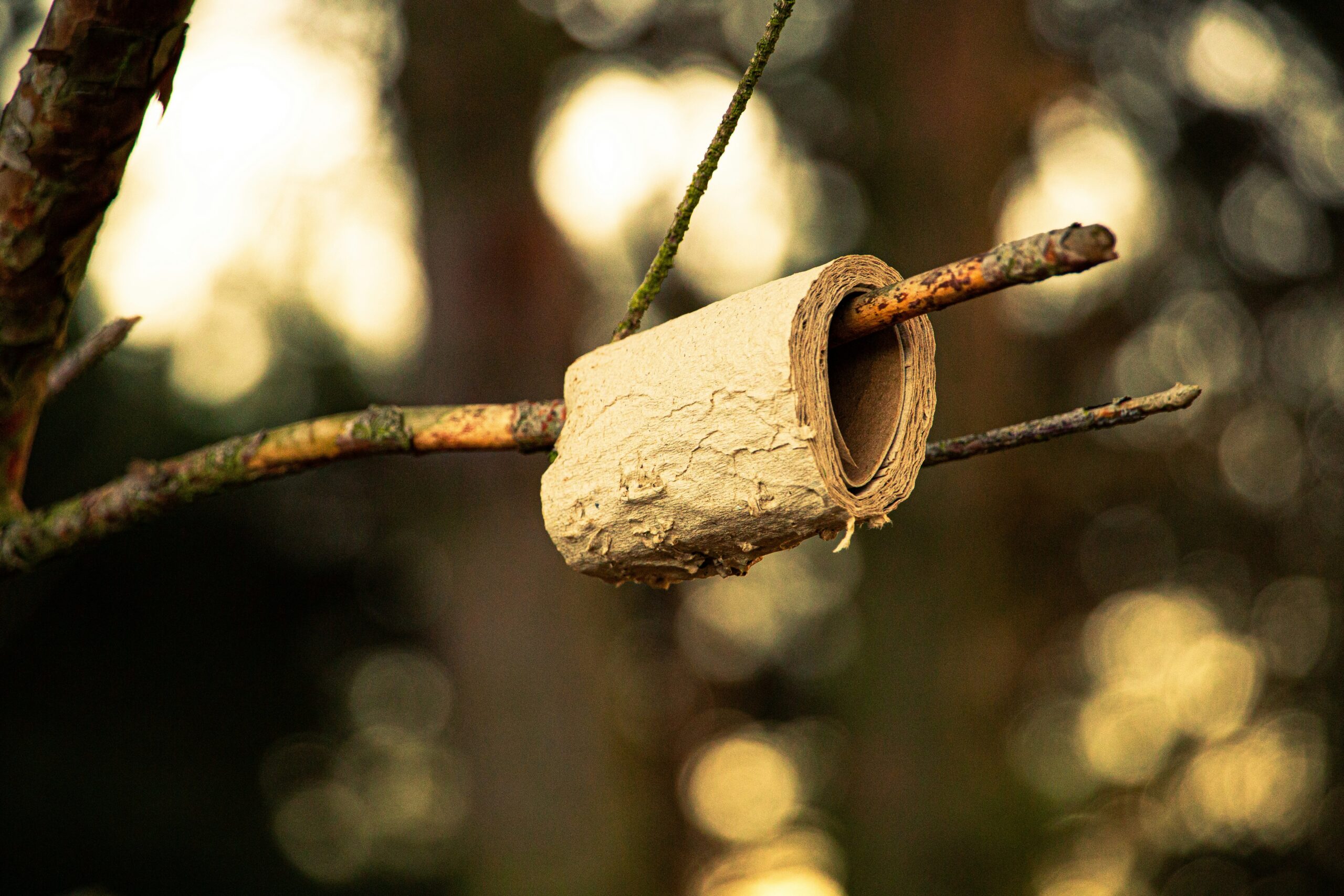
TLDR: Paper towels are a waste of money and shouldn’t exist.
Why you should care: The average American spends about $200 annually on paper towels. Yuck. Do something fun with that money. Also, deforestation, water pollution, etc. https://www.greenmatters.com/p/impact-paper-towels
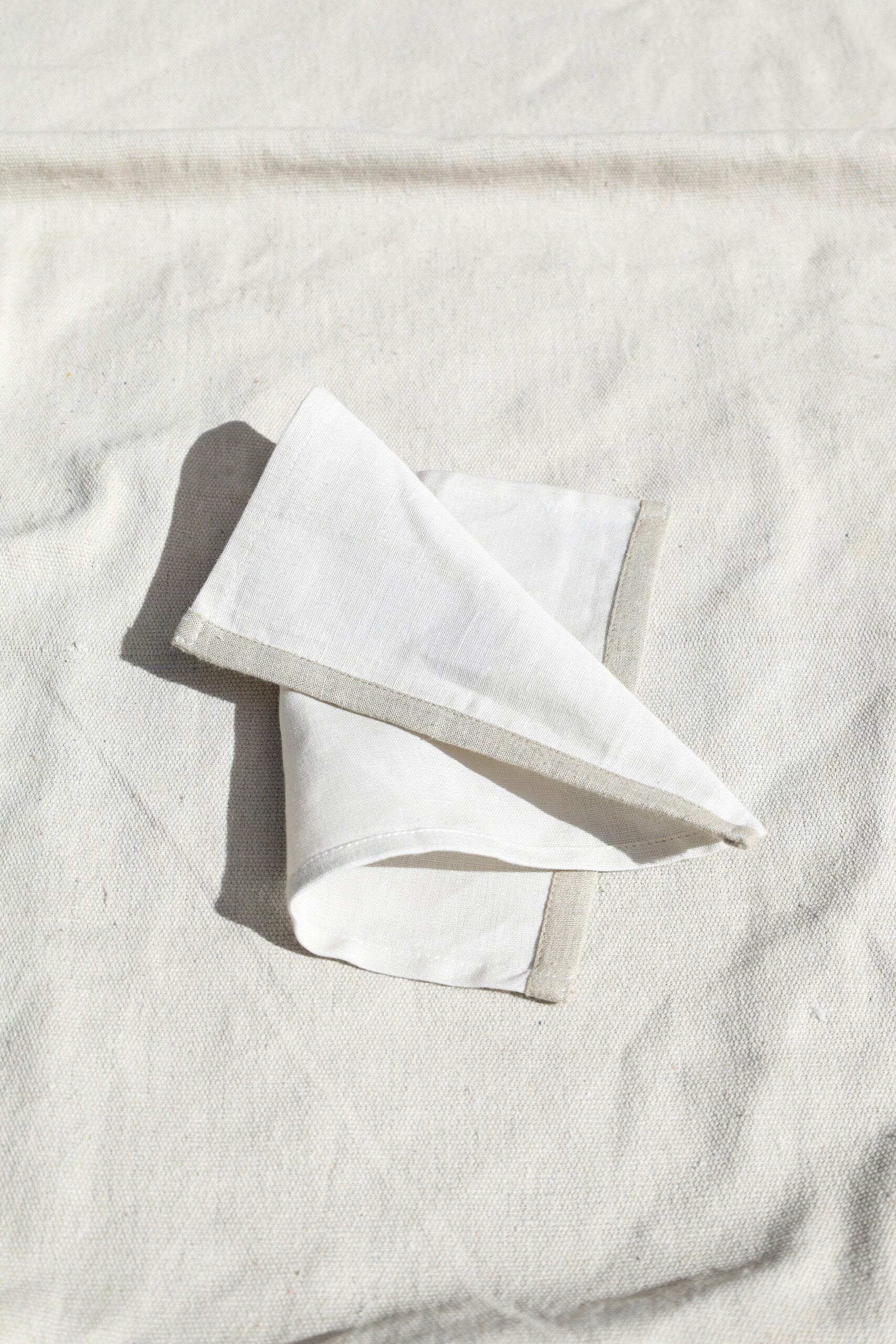
What you should buy: Don’t buy anything! Cut up old clothes and sheets that can’t be donated. Don’t have any? Ask your neighbors. These make cheap paper towels that can be washed and re-used or just tossed if the mess is truly too yucky.
What you should buy: https://lastobject.com/products/lasttissue-refill
I bought these GOTS-certified hankies. You can order them with a silicon box, but I asked them not to send me one and just filled all the old tissue boxes I already had around my house. You can use OCEAN10 for a 10% discount.
I also added a wet-proof bag that says “dirty tissues” on a hook in each bathroom in the house. When someone uses a tissue they drop it into the bag. I wash them all once a week. Now I’m set for years.
It helps the environment and saves you money in the long-run.
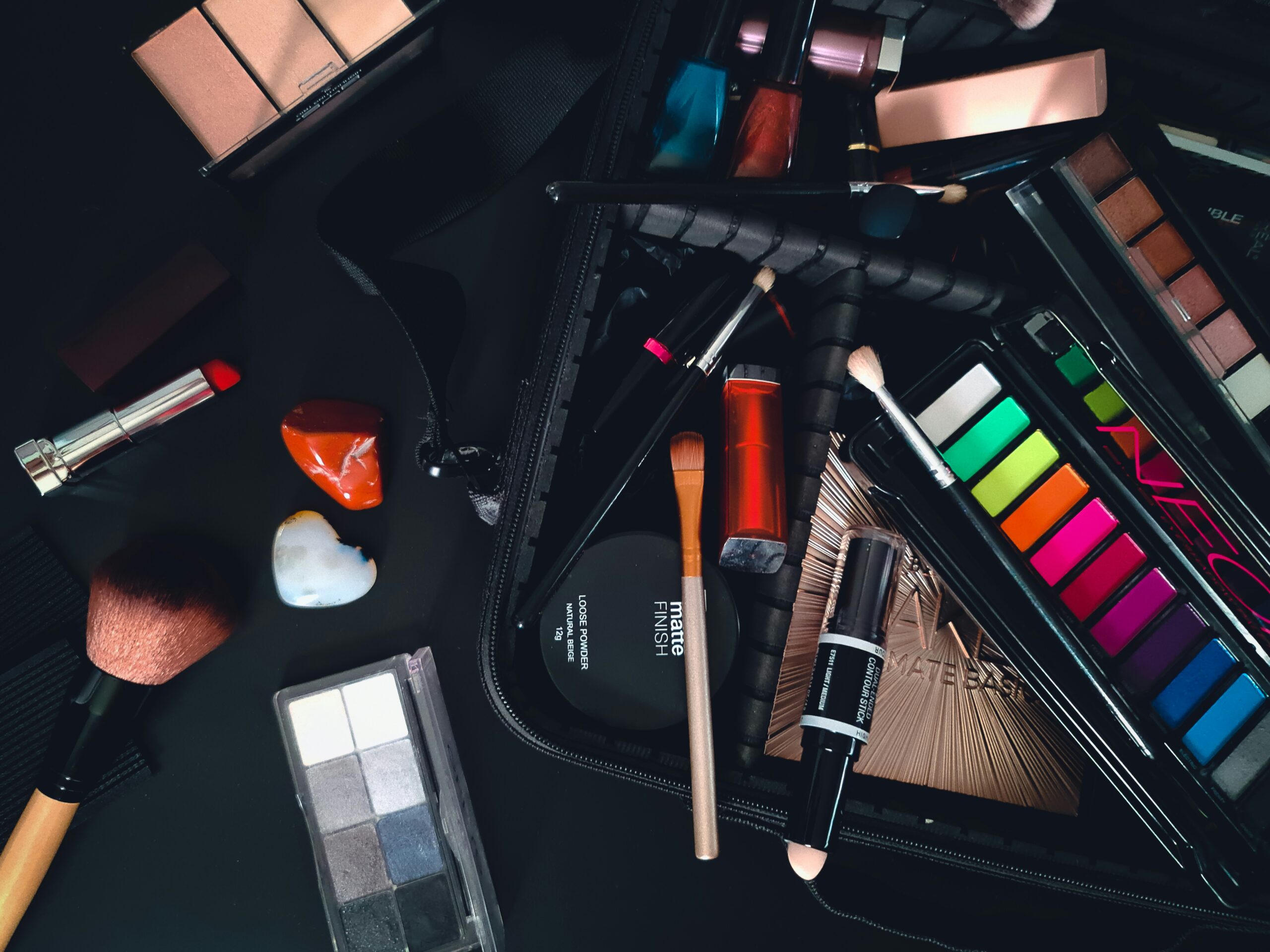
TLDR: Makeup has a lot of crap in it. Spend more money now to prevent health issues later.
Why you should care: Makeup isn’t regulated by the FDA. Lots of the stuff found in makeup is dangerous for your health. Ancient Romans used lead powder as makeup. It caused problems. Don’t be like the Romans.
I did this research a few months ago and forgot to save the links from my extensive reading. Please note that I spent days trying to find the best company for makeup. There are a lot of key terms thrown out there like “clean makeup” etc. that really mean nothing. See what chemicals the company tests for. Make sure it doesn’t test on animals. And keep in mind that plastic packaging and shipping distances matter.
Buying a product on Credo Beauty is often more expensive than if you navigate to that brand’s website to buy it. BUY IT ON CREDO ANYWAY. That’s because you’re paying for a service. Credo vets each product it offers so you don’t have to. Pay for good service. This is the kind of crap they’re helping you avoid: https://www.health.harvard.edu/blog/clean-cosmetics-the-science-behind-the-trend-2019030416066
TLDR: Bamboo and recycled paper TP is a no-go because it’s not sustainable and often has a large carbon footprint. Buy a bidet and use Bumroll TP for drying.
Why you should care: We cut down trees to wipe our butts. Trees are saving the world from climate change. WE CUT THEM DOWN for our BUTTS. In Canada alone, loggers clear cut more than a million acres of forest—mostly to feed US demand for toilet paper. Only read this article if you want to be super sad: https://www.nrdc.org/bio/jennifer-skene/toilet-paper-driving-climate-crisis-every-flush
Basically, bamboo TP would be great except that most of it comes from China (bigger carbon footprint) or is grown in areas where forest was cut down to grow it. Recycled materials TP is also better for the environment but we’re running out of stuff to recycle so it’s not a long-term fix. Bidets are the best thing for the environment. Sure, they use water, but WAY less water than it takes to make rolls of TP. https://www.nytimes.com/2024/07/15/climate/toilet-paper-bidet-environment.html
Super easy to understand breakdown of all the acronyms people use. If you’re gonna help the environment, don’t get scammed! This website gets some points knocked off for recommending TP that comes swathed in a plastic bag—kind of defeats the purpose of being eco-friendly! It also has a lot of UK-based products, which adds to the carbon footprint depending on where you live. https://www.leafscore.com/eco-friendly-bath-products/the-9-best-plastic-free-eco-friendly-toilet-paper-brands/
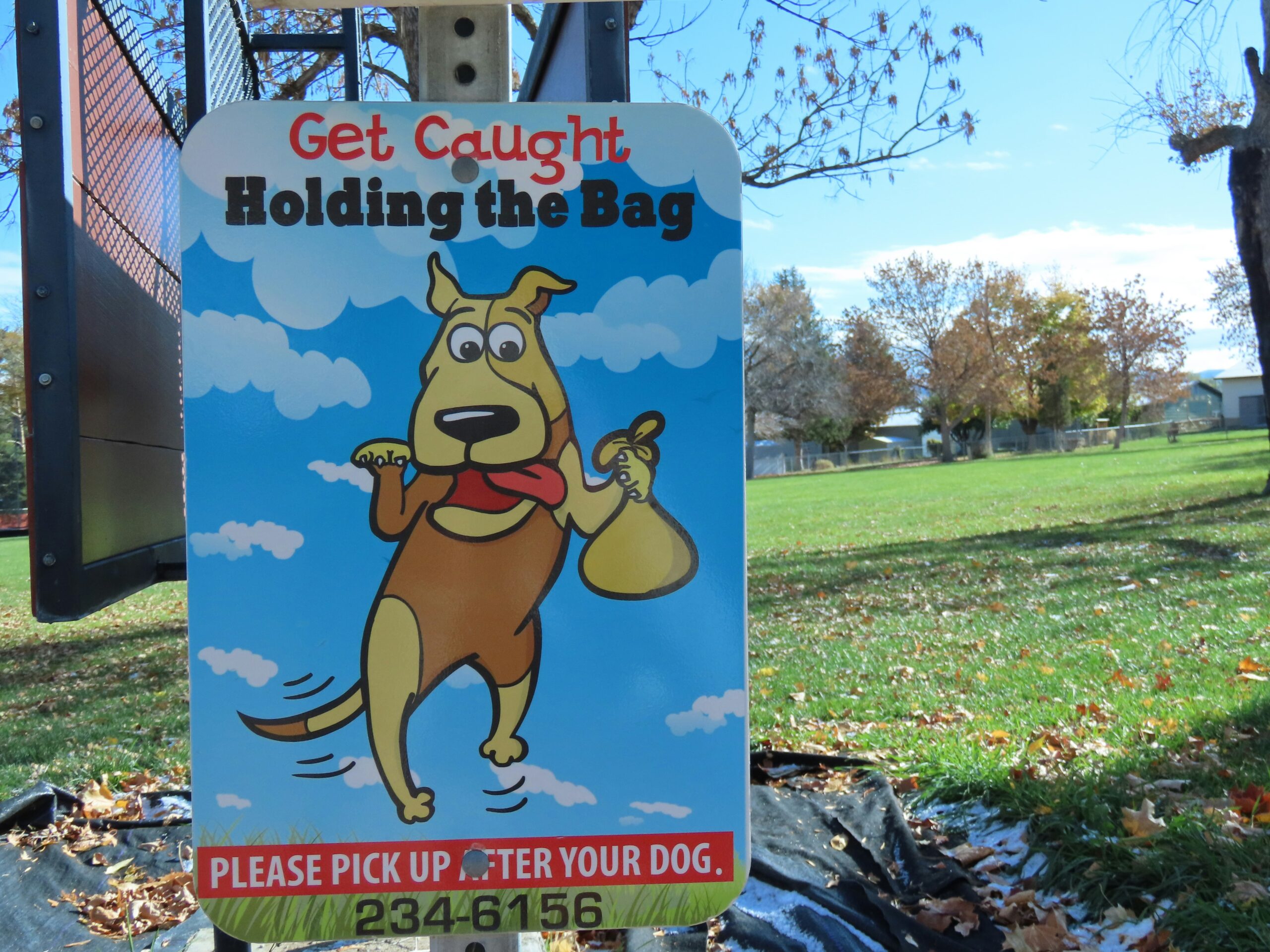
TLDR: there are no sustainable options. Use stuff that you’d throw away anyway to pick up your dog’s poop.
Why you should care: Plastic bags used to pick up dog feces can pollute the environment, with an estimated 415 billion dog waste bags used each year globally (Mai et al., 2022). If you don’t have a dog, check this out for your feline friend.
What you should buy: You SHOULD NOT buy dog poop bags. Even the bags that say they’re degradable and biodegradable AREN’T. That’s because the bags need to be in lab or industrial composting conditions. And, I don’t know about you, but I don’t have an industrial composter in my house. Plus, even if the bags finally do break down, they leave microplastics behind, which pollutes the soil and the water. Not cool. (I actually had a great email conversation with one of the authors of this paper. She’s awesome!) Source: https://setac.onlinelibrary.wiley.com/doi/10.1002/ieam.4970
Here are some options that don’t require you to buy bags at all. Instead, it recommends using things from around the house. I asked my neighbors to save the bags that cover their newspapers. I use those when my dog does her business. https://www.dogster.com/lifestyle/alternatives-to-dog-poop-bags I’ve also used empty cereal bags and plastic packaging from junk food.
When I’m buying a product, I take three things into consideration. In order of importance: health/safety, sustainability, adoption. These may be in a different order for you. For example, a lot of blankets and rugs are made out of recycled plastic. That’s awesome for sustainability, but for health, it’s not as great. “Adoption,” in this case, means how easy it is for me to incorporate this into my life. I’m pretty good at learning new habits if it means contributing to the greater good, but for some people this is more difficult. Research and see what works for you.
Health/safety: In terms of health/safety, there are two certifications that really stand out. They’re called GOTS and Oeko-Tex. GOTS is more strict but Oeko-Tex is a close second. These are two good explanations. The articles relate to rugs but the standards are the same for all products with these labels: https://begood.eco/sustainable-fashion/gots-vs-oeko-tex-whats-the-difference/
It’s important NOT to take a company’s word for it if they say they have a certification. Go onto the GOTS and Oeko-Tex websites to make sure.
Now, there are a few products that I recommend that do NOT have these certifications. And that’s because I believe the products are safe/healthy and sustainable but the companies are smaller and can’t afford/don’t want to pay for the certifications.
Why are certifications important in the first place? If it says “100% cotton” then it’s just cotton, right? Well, then you have to think about all the pesticides and chemicals that were used to grow, process and create the fiber. Plus all the chemicals for the dyes. And all the other crap that goes into making fabric that I don’t know about because I don’t have a degree in this kind of thing. Then there’s the issue of how the workers are treated, and how the land is treated, etc. These certifications mean we can worry less. There’s always going to be more research to do, but this is the very best of what we have right now.
Sustainability: As a first pass at sustainability, I tried to avoid products that were packaged in plastic. Then I looked at certifications. There are a LOT of certifications and many of them don’t mean much. The GOTS certification explained above really takes care of most of these concerns for anything fabric related. For other stuff, like paper products, I paid close attention to Forest Stewardship Council and Rainforest Alliance certifications. Basically, it means that forests aren’t being clear-cut to create the product you’re buying, no child labor, companies aren’t being jerks to the local community, etc. etc. nuance, etc. (check out the certifications’ websites to make sure brands are actually certified before buying.) https://wwf.panda.org/es/?219250/Remarkable-social-progress-when-forests-are-FSC-certified—new-study-confirms One caution, though, is that a recent lawsuit alleges that the RA isn’t actually doing its job: https://www.sierraclub.org/sierra/rainforest-alliance-and-hershey-chocolate-sued-falsely-claiming-fair-labor-and-sustainability So be skeptical. And remember that sustainability also includes the safety and wellbeing of the people working for the companies and whether they’re paid a fair wage.
Carbon footprint: When it came to buying products I was going to use for many years, I wasn’t as concerned about the carbon footprint of shipping. However, for products like toilet paper etc., that I go through frequently, I wanted a distributor closer to home. These recs are all based on my location on the East Coast of the USA. There are other great options out there if you’re in Europe or Australia or New Zealand.
Extra credit: Remember to thrift and buy second hand as much as possible! Don’t throw out the stuff you already have. Just make good choices when you go get new stuff.
Word choice: I use the word “chemicals” in mainly a negative context. I know that everything is a chemical—water is a chemical. Chemicals can be awesome. They save lives. We couldn’t live without them! I probably could be more creative but because this is already way longer than I expected, you’ll just have to excuse my broad brush. I also use a lot of “should” and “should not.” These are blanket statements, but they don’t apply to everyone. For example, most people should not take 30 minute showers. It’s just not good for the environment. But if you have something like, say, depression and a 30 min shower is what you need to do to get up in the morning then—you do you. You’re not a bad person for not doing ALL THE THINGS. Do what you can. Progress, not perfection.
Why you should trust my recs: I mean, always do your own research. I’m a health/science journalist so I’m good at reading studies and parsing info. But this isn’t an article. I’m only writing this up because I spend hours and hours researching before making a purchase. I often read dozens of sites and academic articles. I’m not gonna make this pretty or eloquent. It’s just an information dump. My hope is that I can save you some time.
Privilege: Remember that doing this kind of stuff takes privilege. If you have privilege, then you should go above and beyond to make changes. The idea is that your purchases can drive down costs and make healthy, sustainable products more easily accessible.
Money: “Wow, these things you’re recommending are way more expensive than stuff I can buy on Walmart/Amazon, etc.!!” Yep, think of how much extra work it takes to make a product safe and eco-friendly. It’s way easier to half-ass something and sell it than it is to put a lot of thought and care into a product.
Kids and Fur Kids: This stuff is important for adults, but it’s even more important for your kids and fur kids. “A baby’s skin is thinner than an adult’s, and chemicals can be absorbed more easily. ‘In fact, my original research when I was a doctoral student was on agricultural workers and pesticide penetration through their clothing,’ she says. ‘And one of the things we found in those studies was that farmers would come in and they’d pick their kids up and hug them, and the farmer might not get pesticide poisoning but the child would because that pesticide would be on the garment.’ https://www.consumerreports.org/appliances/laundry/wash-new-clothes-before-wearing-them-for-the-first-time-a8763351216/
Health risk: You say that a lot of stuff isn’t healthy, but is that true for me specifically? Good question—I don’t know! I know that research shows that this stuff isn’t good for your body and it’s even worse for a kid’s body, but I can’t determine your individual risk. Only you and your doctor can do that.
Errors: What if I find an error? Or things you didn’t consider? WELL! You can always message me and NICELY give me additional info.
ARE YOU GETTING PAID FOR THIS?: I don’t get paid for any of my recommendations. I don’t get discounts or kickbacks or anything at all except a healthier home (which is wonderful!). If you find this helpful at all, think about how much time/effort/frustration was involved and consider Venmo-ing me as a thank you: @molliemakesitllc