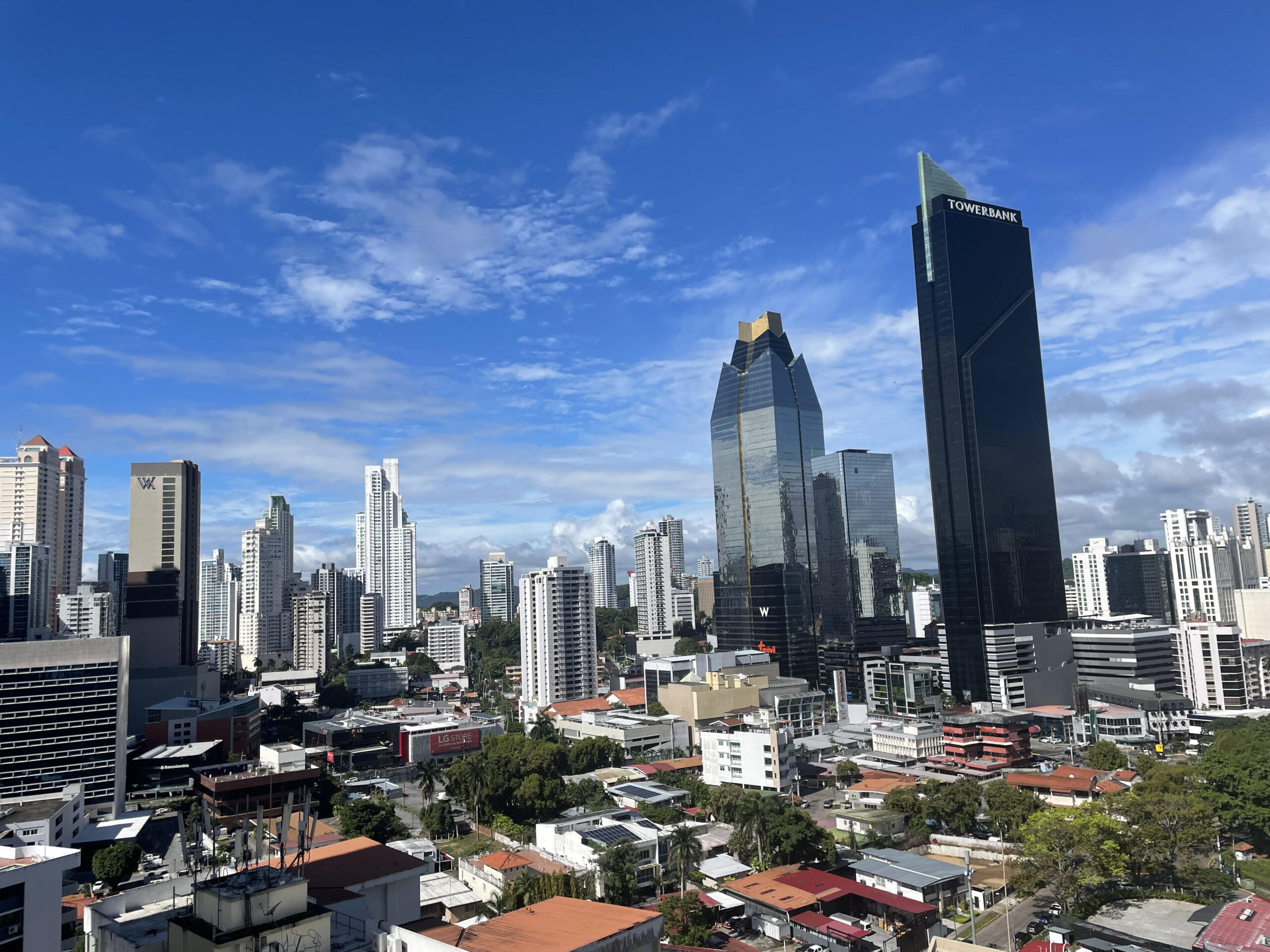
How to get there
When you buy your tickets, note that the seats on Latin American airlines are smaller than those in North American/Europe. The “Extra Leg Room” seats are about the same as a standard US economy seat, and the “Economy Seats” are meant for exceptionally tiny people. Plan accordingly!
Panamanians use US dollars, so we were able to tip liberally throughout the trip. Bring lots of small bills!
Can you drink the water in Panamá?
Yeah, you can. But if you’re a gringo, I would recommend sticking with bottled or boiled water. If you’re at a resort, you’re probably fine drinking things with ice, but anywhere else I’d skip it—you don’t know where the water for the ice came from. It’s just not worth getting sick over something that simple.
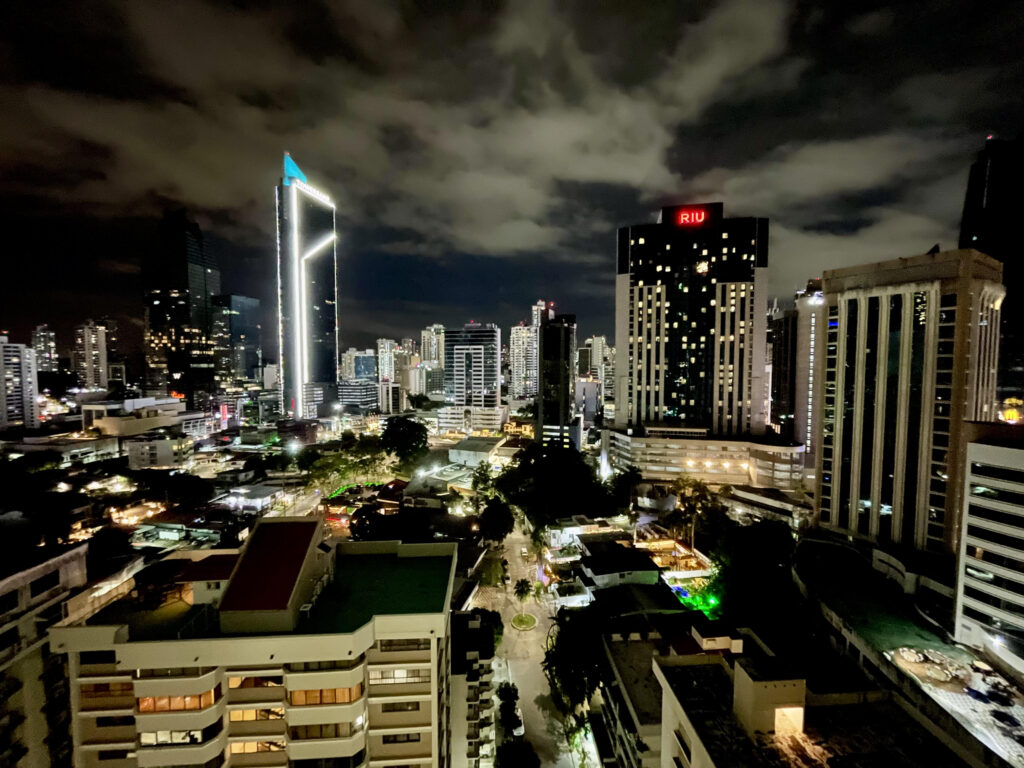
Where to stay in Panamá City, Panamá
When you’re searching for places to stay or things to do, make sure you’re not accidentally looking at results for Panama City, Florida.
We stayed in a condo in the business district. Oddly, there was a Thursday rooftop party with bongo drums, but thankfully it ended before midnight. Latin American cities aren’t usually quiet at night, so that actually felt like a win.
In the morning there was a lot of honking as people finished their commute, but it wasn’t too bad. I’d still recommend staying in the business district.
The phrase of the day was “ta bien,” or “all good,” which perfectly captured the mood.
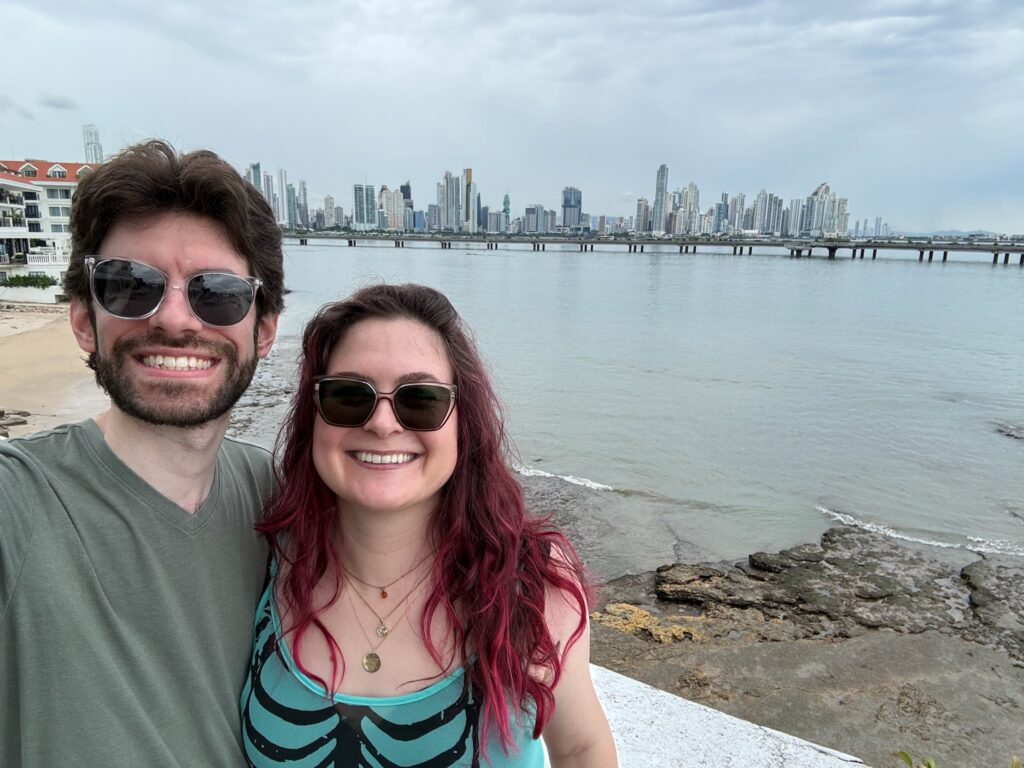
Things to do in Panamá City, Panamá
Getting around via Uber is cheap and super easy.
I highly recommend making the MOLA Museum in the Old Quarter your first stop. It’s a free museum (you can leave a tip at the end!), and the stories behind this Indigenous art form are genuinely fascinating. You can get through it in 30 minutes if you’re quick or about an hour if you’re relaxed.
Climb the stairs around the Plaza de Francia and see the molas created by the women of San Blas. If you ask about the stories, they’ll happily tell you. It helps to have someone in your group who speaks Spanish. Even basic Spanish is fine—the accent is very clear and people speak slowly.
We bought three molas for $50. It takes dozens of hours to make a mola, so we didn’t bother haggling. These women deserve to be paid for their art.
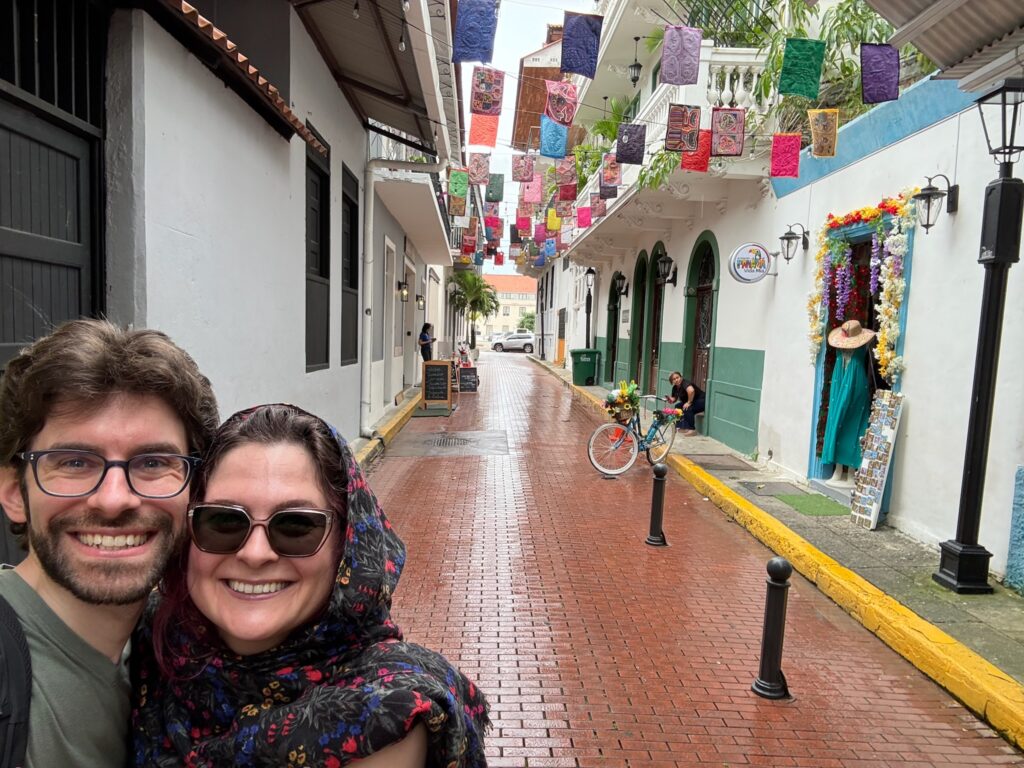
A lot of vendors also sell sea shells. Try not to buy those; it’s not sustainable and it’s bad for the environment.
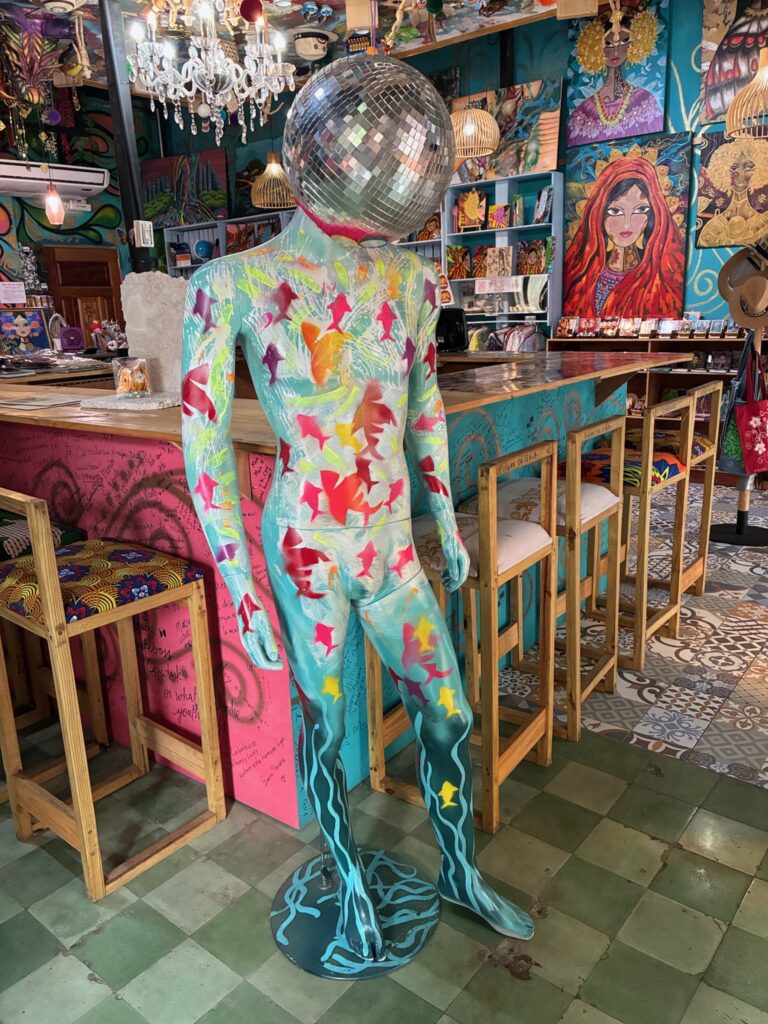
I’d also recommend stopping by the Artesenias Panamá Vida Mía art studio, which is a short walk from the molas. Great photo ops and we ended up buying some art there, too.
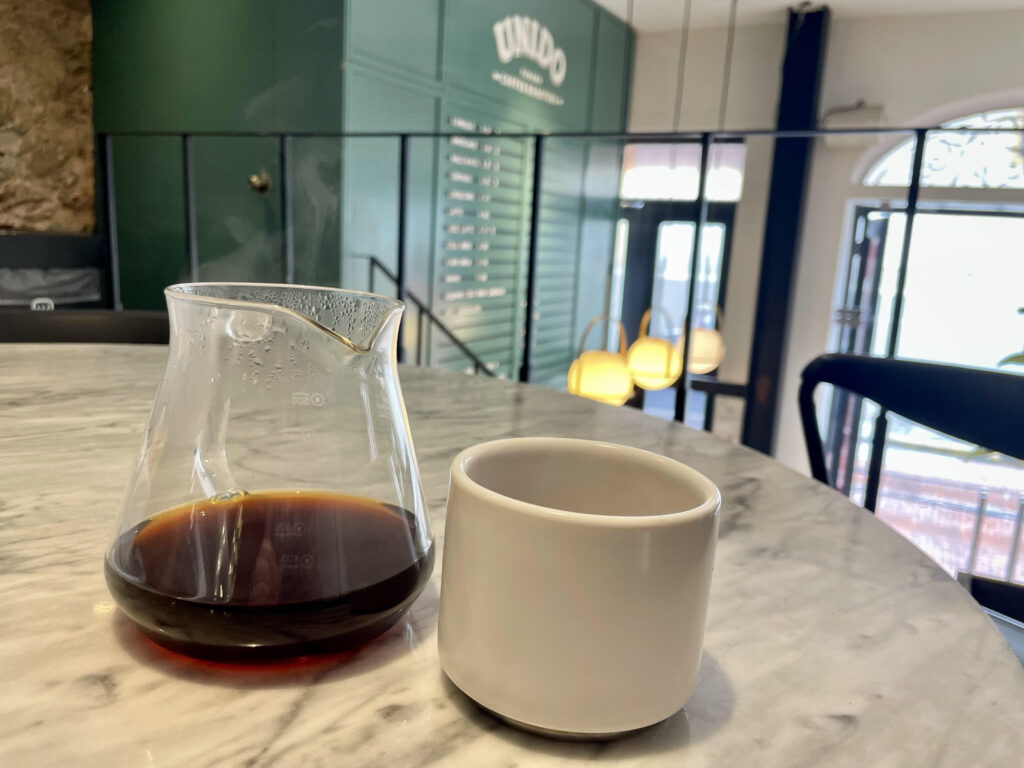
Panama boasts the “most expensive coffee in the world,” but you can try it for cheap in the capital. There are shops offering tasting experiences for much more if you’re a coffee aficionado. I’m more of a regular coffee person, so the $8 cup of geisha at Unido Coffee was perfect for me. We also tried rosemary lemonade coffee, which was surprisingly really good.
If you have food allergies, it’s easier to order through Uber Eats than to go out. Many restaurants have pre-made dishes and won’t be able to make changes, the service is incredibly slow, and sometimes staff don’t know what ingredients are in the food.
If you don’t have food allergies, ta bien! Just relax and don’t plan on getting anywhere quickly—you’re on Latin American time.
Greg went to the MAC Panamá Museum and MAC Panamá Museum Satellite. He only needed one ticket to tour both venues!
After some research, we decided not to go to the Panama Canal Museum. Instead, we stopped at a lookout point, watched the boats inch their way across, took some pictures, and continued on.
If you need groceries, get them in the capital. There are stores in other towns, but nowhere near as many options. And outside the capital, you won’t find souvenirs or basic US-type items—flip flops, towels, etc.—so stock up early and supplement as needed.
Driving in Panamá
Driving here was easier than in any other Latin American country we’ve visited. The roads were well maintained, and although drivers make their own rules, there’s a method to the madness. If you’re a confident driver, you’ll be fine.
Once you get into smaller towns, paved roads can suddenly turn into pocked dirt roads, so I highly recommend getting a car with four-wheel drive just in case.
If you’re trying to make a flight, leave twice as much time as you think you need. We got stuck in an hour-long traffic jam in one of the small towns on our way back to the airport!
Outside Panamá City
We stopped at the Gamboa Rainforest Reserve for a basic lunch. Think white-people food—chicken fingers, tiny burger sliders. I brought instant noodles, and they were happy to give me boiling water.
We bought tickets for a wildlife tour because we really wanted to see the poison dart frogs. They had us buy tickets right before the tour started, since sudden weather changes can cancel it.
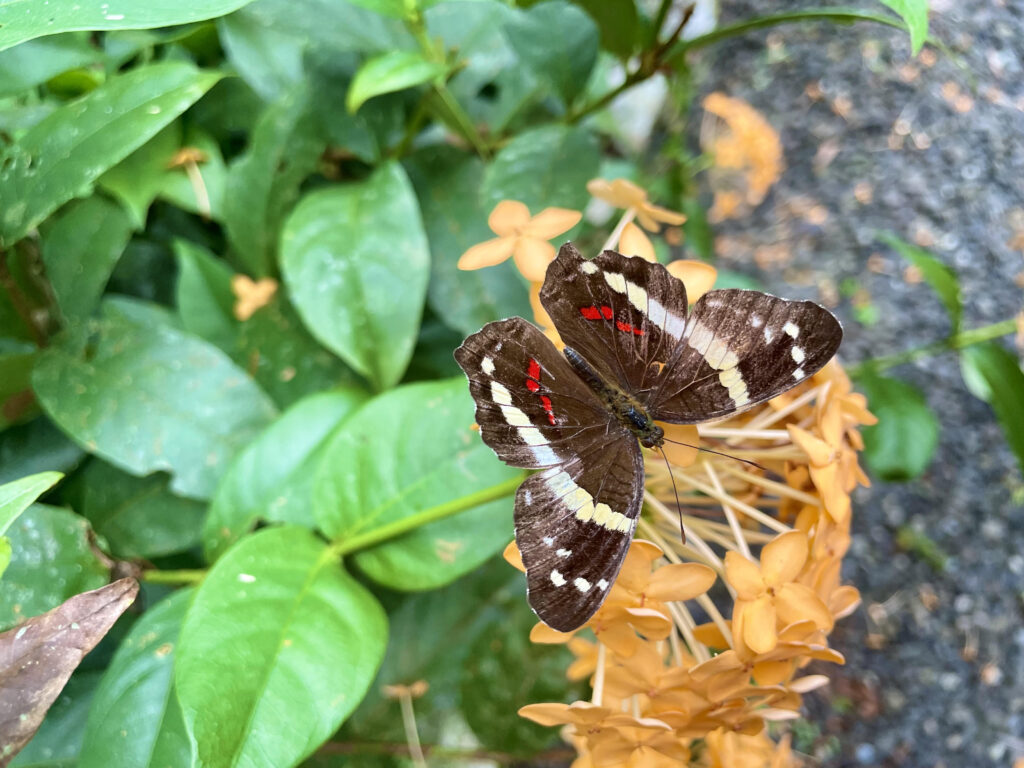
We saw a capuchin monkey, butterflies, hummingbirds, dart frogs, sloths, Panama’s national flower and even a one-day orchid. Lots of magical little moments. The guide was knowledgeable and gave us plenty of time to explore. Very hands-off unless we wanted more info.
Visiting Distrito de Portobelo, Panamá
This day was a whole collection of creature sightings: a pelican, falcon, hummingbirds, capuchin monkeys, wild calla lilies, cows, oxen, vultures, a toucan, and a random cat-dog-chicken-duck assortment that felt like the beginning of a folktale. All the dogs were male for some reason. (Can someone explain this to me??)
The howler monkeys sounded a lot like California sea lions, which was disorienting but hilarious. (And then less hilarious when they woke us up at 5 a.m.) We wondered what a group of howler monkeys is called and decided the only correct answer is “a menace.”
No beach worth visiting.
Power cut out a few times but not for long.
Make sure you rent a place with AC.
You don’t need hot water, but it is nice. Many places come without.
You’ll definitely need an eye mask and earplugs. When it rains, the roof becomes a drumline—SO loud. A lot of places don’t have curtains or blinds. I’d also recommend bringing bird-window stickers because birds flew into our windows more than once, and it was startling for everyone involved. *sadfaces
Make sure to bring ziplock bags and keep everything (even toothpaste!) inside one. The ants are determined in the rainforest!!
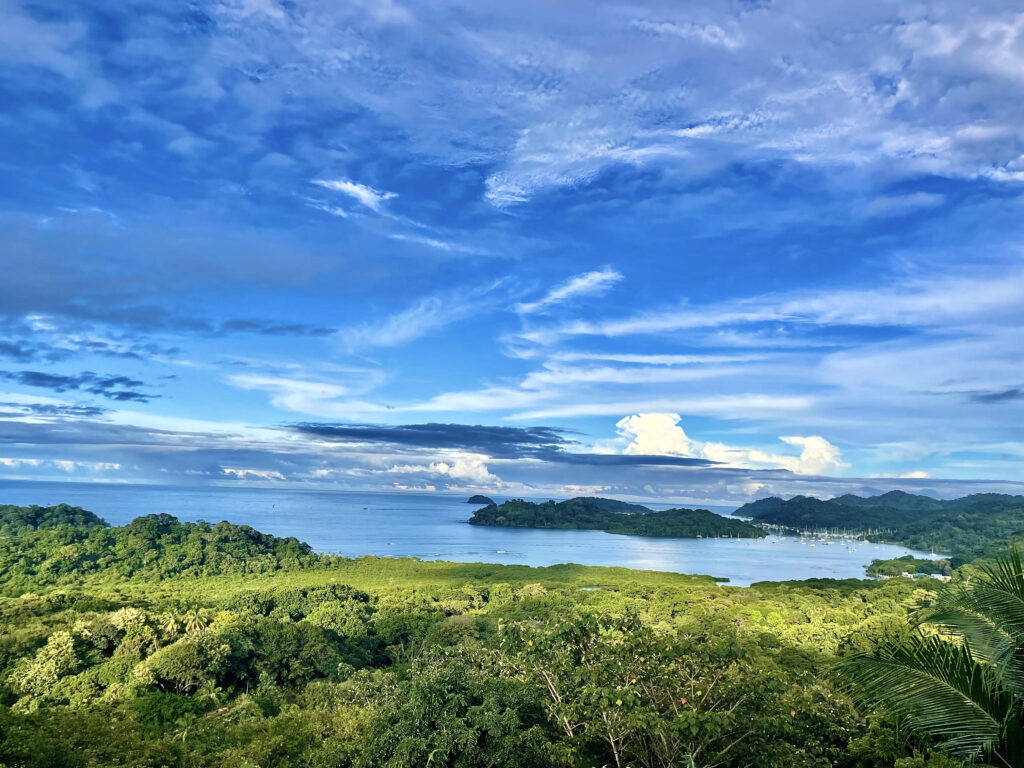
Overall, it was an amazing trip, and I highly recommend visiting. The city and surrounding areas have something for everyone: the hardcore hikers, photographers, art enthusiasts, foodies, families and folks who just want to meander and sit down for a nice meal and a good café.